Athens sprawls across ancient hills and modern streets, and where you sleep shapes your entire experience. The right neighbourhood puts you steps from the Acropolis, neighbourhood tavernas, and local life—or keeps you in a quieter, more residential zone. Here's how to choose.
Plaka: The Postcard Heart
Plaka is Athens' most famous tourist neighbourhood, tucked beneath the Acropolis on the eastern slope of the Acropolis hill. Winding cobbled streets, neoclassical mansions painted ochre and cream, bougainvillea cascading from balconies, and tavernas packed shoulder-to-shoulder make it instantly recognisable. You'll pay premium prices here—both for rooms and food—but the location is unbeatable for first-time visitors.
Stay in Plaka if you want to roll out of bed and walk uphill to the Parthenon in 10 minutes, or if evening strolls and alfresco dining are your priority. The neighbourhood is pedestrianised and car-free, which feels Mediterranean and safe. Drawback: it's relentlessly touristy, noisy at night from bars and restaurants, and genuinely quiet accommodation is rare. Budget €80–150+ per night for a modest double room in summer.
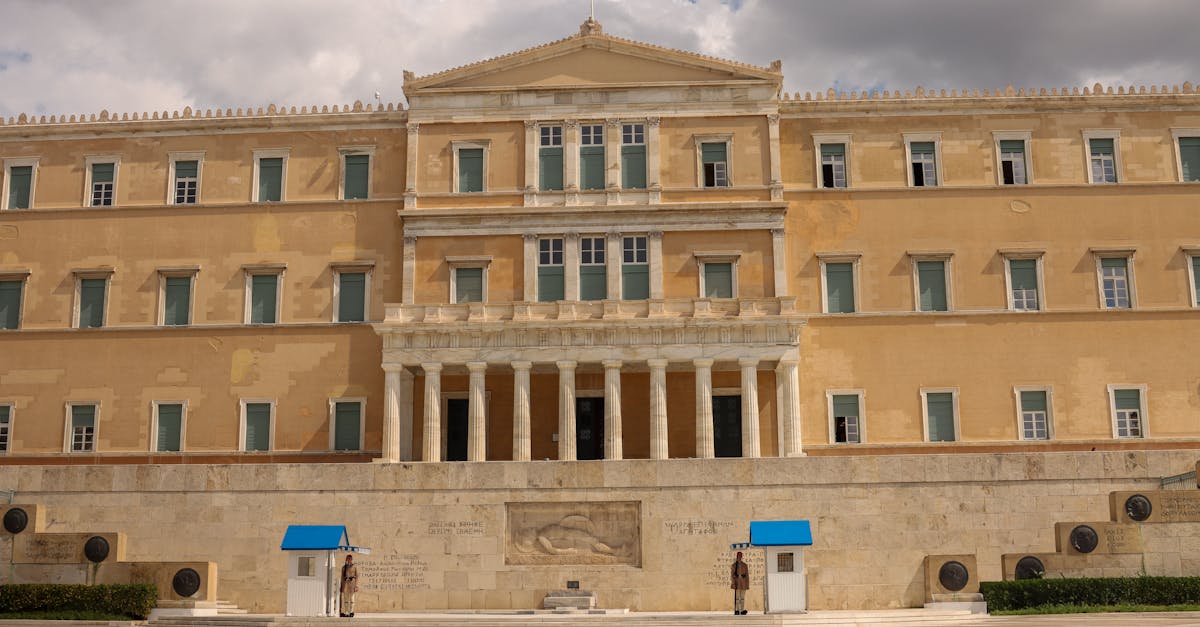
Syntagma, named after the Parliament building that anchors its broad square, is Athens' main hub. It's busy, commercial, and central—perfect if you want to be within walking distance of everything. The National Gallery, countless cafés, shops, and public transport connections make it practical. Rooms are midrange (€60–120 per night) and easier to find than in Plaka.
Psyrri, immediately northwest, has gentrified rapidly over the past decade. Once a gritty warehouse district, it's now Athens' coolest neighbourhood for younger travellers: street art, independent cocktail bars, vinyl record shops, and unpretentious restaurants. It feels authentically Athenian without Plaka's tourist veneer. Accommodation ranges from hostels (€20–35 per bed) to boutique hotels (€100–180 per night). Stay here if you want local energy and nightlife without kitsch.
Kolonaki: Upscale & Tree-Lined
Kolonaki slopes gently uphill from Syntagma toward Lycabettus Hill, and it's where affluent Athenians actually live. Tree-lined streets, designer shops, family-run tavernas, and a quieter pace make it feel more residential. The Benaki Museum and Byzantine Museum are nearby, and the Lycabettus funicular railway (for sunset views) sits at the neighbourhood's edge. Expect to pay €100–200+ per night, but you'll find genuine neighbourhood charm rather than tourist infrastructure.
Monastiraki & Thissio: Budget-Friendly & Historic
Monastiraki, just west of Plaka, centres on a famous flea market (busiest on Sundays) and the Monastiraki Metro station. It's chaotic, affordable, and full of character. Rooms are cheaper (€50–100 per night), and you're still walking distance from major sights. The neighbourhood has fewer tourists than Plaka but more grit.
Thissio, the hillside neighbourhood above Monastiraki, offers a sweet middle ground: close to the Ancient Agora and Acropolis, tree-lined pedestrian streets, genuinely good restaurants (not tourist traps), and a more relaxed vibe. It's become increasingly popular with independent travellers. Budget €70–140 per night. Walk downhill for 15 minutes and you're in the ancient centre; walk up and you're in residential Athens.
Gazi: Trendy, Young & Arty
Gazi lies south of the ancient centre, a former industrial zone now packed with galleries, design studios, weekend markets, and late-night clubs. It's where Athenian creative types congregate. Accommodation is varied (€50–150 per night), and you'll find excellent restaurants and bars. Stay here if you want to experience modern Athens away from historical monuments. Fair warning: it's not walkable to the Acropolis (15–20 minutes by Metro), and some side streets can feel sketchy at night.
Exarcheia: Student, Political & Bohemian
Exarcheia, north of Syntagma, is Athens' oldest bohemian quarter, home to the National Technical University and a leftist political tradition. It's grungy, affordable (€40–90 per night), and genuinely local. Expect street art, independent bookshops, student cafés, and anarchist politics. It's not touristy—that's its appeal and its challenge. The area has a rebellious edge and occasional political protests; check current events before booking. Walking to major sights takes 20–30 minutes or one Metro ride.
Glyfada & Voula: Seaside & Relaxed
If you want beach life rather than ruins, head south to Glyfada or Voula along the Athenian Riviera. These are beach towns with bars, seafood restaurants, and a resort feel. They're 30–45 minutes from the centre by Metro or tram, so you sacrifice easy monument access for sea air and a slower pace. Budget €80–180 per night. Go if you're spending several days and want swimming and evening walks by the sea.
Practical Choosing Tips
First-time visitors: Plaka or Thissio balance tourism convenience with some local flavour.
Budget-conscious travellers: Psyrri, Monastiraki, or Exarcheia offer the best value and authentic neighbourhoods.
Families: Kolonaki or Glyfada feel safer and more spacious than Plaka's crowded alleys.
Couples seeking romance: Thissio or the quieter fringes of Kolonaki; Plaka works but book off Adrianou Street.
Nightlife seekers: Psyrri or Gazi have bars and clubs; Plaka is more tourist-aimed.
Yes, Plaka is generally safe, especially on main streets and near restaurants. Avoid deserted alleys very late at night, as you would in any major city. The neighbourhood is well-lit and foot traffic continues until midnight and beyond.
Which neighbourhood is best for public transport?
Syntagma, Monastiraki, and Psyrri sit directly on or near major Metro lines, making connections to the airport and outlying sites easiest. Plaka and Thissio require a 5–10 minute walk to the nearest Metro station but remain central.
Can I find quiet, affordable rooms in central Athens?
Thissio and the edges of Psyrri offer the best balance: quieter than Plaka, cheaper than Kolonaki, and genuinely central. Exarcheia is cheaper but more bohemian and gritty. Book away from major streets to avoid noise.
Is it better to stay in one neighbourhood or move around?
One base works for 3–4 days in Athens proper. Moving disrupts your rhythm and wastes time packing. If you're combining Athens with Peloponnese trips, stay in Athens for 2–3 nights, then explore regions like Corinth and Nafplio as day trips or overnight escapes.