Santorini's volcanic caldera, whitewashed villages, and Mediterranean sunsets come with a premium price tag—but some of the island's most memorable experiences won't cost you a euro. From clifftop walks and secluded beaches to archaeological sites and local villages, Santorini offers surprising depth for budget-conscious travellers who know where to look.
Explore Oia on Foot
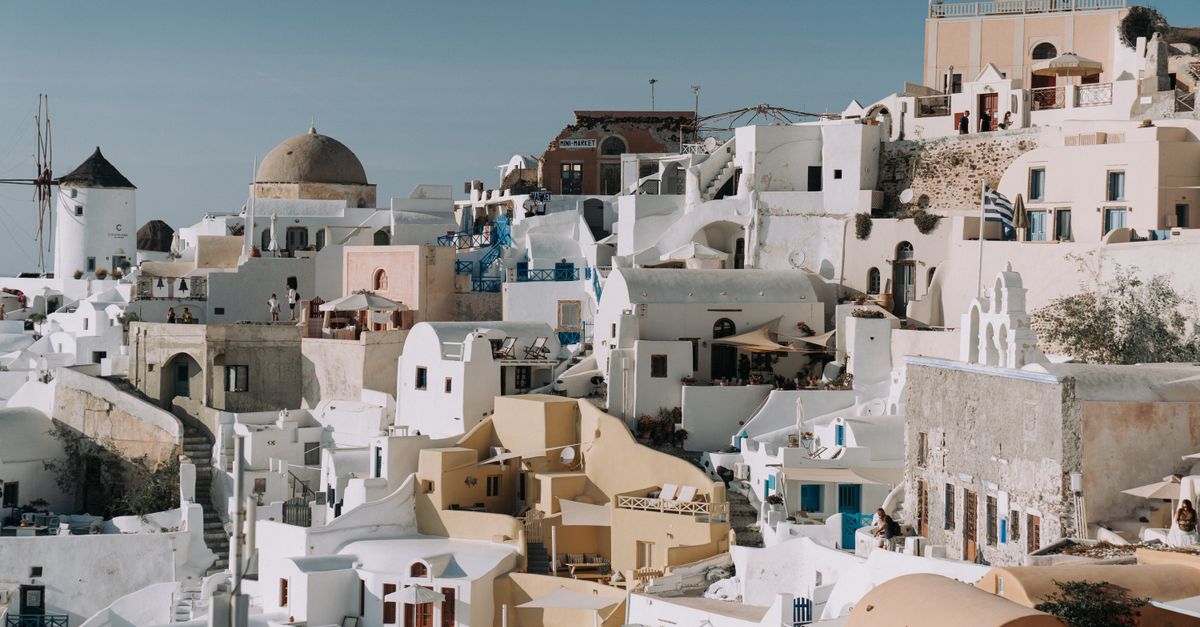
Oia is famous for sunset views, but the real treasure is wandering the narrow streets at any time of day. The village itself costs nothing to enter—only the restaurants and shops charge. Wander past traditional Cycladic architecture, peer into cave houses carved into the caldera rim, and discover hidden courtyards and small chapels with blue domes. Early morning or late afternoon is less crowded; aim to arrive by 5pm if you want a decent sunset vantage point without paying for a restaurant table. The walk from Oia toward Amoudi Bay (a small fishing port below) is steep but free and offers authenticity without the main square's tourist density.
Walk the Caldera Path from Fira to Oia
One of Greece's most dramatic walks is completely free. The 10km path from Fira (the capital) to Oia hugs the clifftop, offering uninterrupted views of the volcanic caldera, neighbouring islands, and the Aegean. The full walk takes 3–4 hours; most travellers do it one-way and return by public bus (€1.80). Start early—before 8am in summer—to beat both the heat and the crowds. Wear proper shoes, bring water, and use sunscreen; there's little shade. This hike rivals any paid tour for views and is genuinely one of things to do in Santorini that feels like a local secret.
Visit Akrotiri Archaeological Site (Free Entry Days)
Akrotiri is one of Greece's most important Minoan ruins—a Bronze Age city preserved under volcanic ash. Entry normally costs €6, but the European Heritage Days (usually mid-September) and occasional Greek public holidays grant free admission. Even if you visit on a paid day, €6 is reasonable value for a site with a protective roof, clear signage, and multi-level ancient streets. The site is less crowded than Delphi or Knossos, and the story—a thriving community buried in 1600 BCE—is haunting. Check your travel dates against the Greek holiday calendar before booking.
Relax at Perivolos or Kamari Beach
Santorini's famous red and black sand beaches charge €3–5 for sunbed and umbrella rentals, but you can bring your own towel and sit free on the sand. Perivolos and Kamari, on the eastern shore, have the calmest water and longest stretches of free beach space. Perivolos is quieter and more local; Kamari is slightly more developed with tavernas. Both have volcanic black sand that retains heat—wear sandals. These beaches lack the Instagram fame of Amoudi Bay or Red Beach, which means fewer crowds and more room to actually swim. Early morning is best for parking and finding space.
Wander Local Villages Like Megalochori and Pyrgos
Skip the tour-bus villages and explore Megalochori or Pyrgos, where residents still outnumber tourists. Megalochori has a small winery museum (free to enter the village; tastings cost €5–10), traditional architecture, and a working community feel. Pyrgos, perched higher, offers better views and a Venetian castle ruin at the summit—a short uphill walk through the village. Both have small tavernas with honest prices and family-run charm. These villages cost nothing to visit, though a coffee or meal supports the local economy. Public buses connect them to Fira (€1.80 per journey).
Walk Along the Waterfront in Kamari and Perivolos
The seafront promenades in Kamari and Perivolos are tree-lined, pedestrian-friendly, and lined with tavernas—but you can walk them free. Sunrise walks here are peaceful, offering views of Crete across the water. Stop at a local bakery for a spanakopita or galaktoboureko (€2–3) and eat while watching fishermen; this costs little and feels authentically Greek.
Visit Church Interiors and Monasteries
Santorini's churches and small monasteries (like the Monastery of Profitis Ilias, partially free) are open to visitors with respect for dress codes (covered shoulders and knees). Many are free; some request a small donation. Even secular travellers appreciate the architecture, frescoes, and quiet—a contrast to crowded beaches. Profitis Ilias also offers 360-degree island views from its hilltop. Check opening hours locally, as they vary seasonally.
Enjoy Sunset From Fira's Cliffside
Oia is renowned for sunsets, but Fira's clifftop—especially near the cable car station—offers nearly identical views without the 3pm crowd crush. Arrive by 6pm, sit on the rocks (or stand), and watch the sun sink behind the caldera. Many locals prefer Fira's sunset to Oia's. Nearby cafés charge for drinks, but simply sitting costs nothing. Bring a light jacket; the wind picks up after dark.
Explore Fira's Streets and Museum Quarter
Fira's main pedestrian streets (Ipapantis, Agiou Mina) are lined with shops, but wandering is free and reveals local life beyond the tourist quarter. The Megaro Gyzi museum charges €5 entry, but the streets themselves—narrow, steeped in history, with views into courtyards—reward aimless exploration. The Archaeological Museum of Fira costs €6 on normal days (free on European Heritage Days).
Watch the Sunset From Your Accommodation or Free Viewpoint
If your hotel or Airbnb has a caldera view (even budget options often do in less famous villages), use it. Equally, free public viewpoints exist throughout the island—roadsides near Kamari, cliff edges accessible from hiking trails, and village squares. The sunset itself costs nothing; what matters is your vantage point, not whether you've paid a restaurant for wine to watch it.
Take Short Walks From Kamari and Perivolos
Both eastern-shore towns are starting points for coastal walks. The path from Kamari north toward the volcanic pumice areas, or south from Perivolos toward Vlychada, offers solitude and marine geology without payment. These walks are shadeless and less famous than the Fira–Oia trail, so they're quieter. Bring water.
Practical Tips for Budget Exploring
Transport: The KTEL bus system is €1.80–2.40 per journey and connects all major areas. A €24 weekly pass offers better value if you're staying longer. Walking between nearby villages (Oia and Fira are 10km apart) isn't practical in summer heat, but short village-to-village walks work well.
Water and Shade: Santorini is arid. Bring refillable water bottles; many tavernas will refill for free. Sunscreen and a hat are essential. Summer temperatures routinely exceed 35°C (95°F).
Timing: Visit free sites early (before 9am) or late (after 5pm) to avoid crowds and heat. Check the best time to visit Santorini to understand seasonal patterns, and see Santorini on a budget for broader cost guidance.
Eating Cheaply: Avoid restaurants directly facing the caldera; prices double. Instead, eat where locals do—village squares, side streets, and away from Oia's main square. Souvlaki stands, bakeries, and tavernas in Megalochori or Kamari charge €5–10 for a meal.
Are there truly free things to do in Santorini, or is everything tourist-oriented?
Yes, genuinely free activities exist: walking between villages, exploring Oia's streets, using public beaches, and hiking the caldera path are all free. Most require only time and planning, not money. Crowds are heaviest at paid attractions and sunset viewpoints; exploring off-season or early morning drastically improves the experience.
What's the cheapest way to get around Santorini?
The KTEL bus system (€1.80–2.40 per journey) is the cheapest option. A weekly pass costs €24. Renting a scooter (€15–25 per day) works if you're confident riding on narrow, windy roads; it's cheaper than car rental but riskier. Walking between nearby villages is free but only practical for short distances in cooler months.
Can I swim for free in Santorini?
Yes. All public beaches are free; you only pay if you rent sunbeds or umbrellas (€3–5 per item). Bring your own towel and sit on the sand free of charge. Perivolos, Kamari, Vlychada, and Amoudi Bay all have free swimming access.
Is it possible to enjoy sunset without paying for a restaurant?
Absolutely. Bring drinks and snacks from a local store, find a public clifftop or beach, and watch from there. Fira's main cliffs, Kamari's waterfront, and quieter village squares all offer free sunset viewing. Oia also has small free areas if you arrive early and avoid the main square.