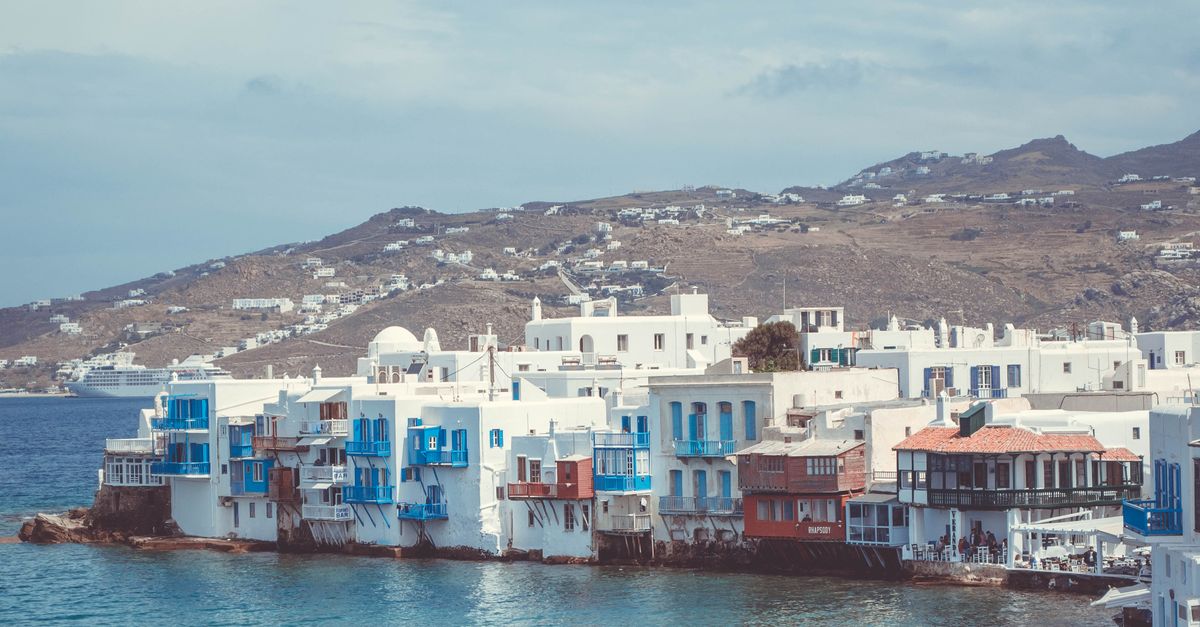
If you're torn between Greece's two most famous Cycladic islands, the answer depends entirely on what kind of holiday you want. Santorini excels for dramatic landscapes, romance, and sunset-chasing; Mykonos wins for beach culture, nightlife, and a younger party atmosphere. Most travellers find Santorini more visually stunning and memorable, while Mykonos appeals to those prioritizing social scene and water activities.
The Main Differences at a Glance
Both islands sit in the Aegean Sea roughly 2 hours apart by ferry, yet they couldn't feel more different. Santorini is built on the rim of a volcanic caldera, creating those iconic white-and-blue villages perched hundreds of metres above the sea. Mykonos, by contrast, is flatter, greener, and organised around a charming Cycladic town and a string of sandy beaches. The vibe shifts too: Santorini feels contemplative and romantic; Mykonos is energetic and social.
Santorini: Landscape, Romance & Sunsets
Santorini's biggest draw is its geology. The 1600 BC volcanic eruption that buried a Minoan civilisation created the caldera—a sunken crater now filled by seawater—and the island's entire character flows from this dramatic geography. Villages like Oia and Fira cascade down cliff faces, their white cubic houses and blue-domed churches instantly recognisable worldwide.
The sunsets here are genuinely extraordinary. Thousands gather in Oia each evening to watch the sun sink behind the Aegean, painting the sky orange and pink while the white buildings glow. It's touristy, crowded, and absolutely worth experiencing at least once.
Beyond sunsets, Santorini offers:
Volcanic beaches with black or red sand (Kamari, Perissa, Amoudi Bay)
Wine tours through volcanic vineyards producing crisp Assyrtiko whites
Caldera boat trips to Nea Kameni (volcanic islet) and hot springs
Archaeological sites including Akrotiri (preserved Minoan settlement under ash)
Quiet villages inland (Pyrgos, Megalochori) where Greek life continues unrushed
The landscape is the star here—bring a camera and comfortable walking shoes. Read our guide on how many days you need in Santorini to plan properly; 3–4 days lets you absorb the island without feeling rushed.
Mykonos: Beaches, Bars & Social Scene
Mykonos revolves around beaches and nightlife. The island has some of Greece's best sandy shores—Psarou Beach, Ornos, Kalafatis—plus a thriving bar and club culture that attracts holidaymakers from across Europe. The main town (also called Mykonos) is a maze of narrow lanes lined with jewellery shops, boutiques, and restaurants, centred around the iconic windmills.
What Mykonos offers:
Beach clubs with DJ sets, cocktails, and loungers (Cavo Paradiso, Paradise Beach)
Nightlife ranging from casual bars to serious nightclubs (Diva, Jackie O's)
Water sports including windsurfing, jet skis, and parasailing
Shopping for designer brands and Greek souvenirs
Island-hopping proximity to Delos (ancient ruins) and Rhenia
A more relaxed daytime pace than Santorini—fewer crowds, more laid-back tavernas
Mykonos doesn't have dramatic scenery, but it has a social ease Santorini lacks. If you want to sleep until noon, spend the afternoon on a beach, then party until 3am, Mykonos is your island.
Crowds, Seasons & Practicalities
Both islands are swarmed in July, August, and early September. Santorini suffers more visibly—Oia becomes nearly impassable in peak hours, and accommodation prices triple. The best months to visit Santorini are May, June, September, and October, when weather is warm, crowds are manageable, and prices are reasonable.
Mykonos spreads crowds across more beaches and bars, so it feels less claustrophobic. However, it also attracts package tourists and has a pricier, more party-focused reputation.
Cost comparison: Both islands are expensive by Greek standards. Santorini edges higher for accommodation and dining in caldera towns. Santorini on a budget requires staying inland or in Kamari rather than Oia, and eating away from clifftop restaurants. Mykonos is similarly pricey but more flexible—you can find decent tavernas and beaches at various price points.
Which Island Is Right for You?
Choose Santorini if you: Want iconic, Instagram-worthy landscapes; value sunsets and romance; are interested in history and wine; prefer a quieter, more introspective vibe; are willing to navigate crowds for the payoff.
Choose Mykonos if you: Prioritise beaches and swimming; enjoy nightlife and socialising; prefer flatter terrain and easier logistics; want a longer, more varied holiday with multiple daytime activities; travel with younger companions.
The honest take: Most first-time Cyclades visitors should pick Santorini. Its landscape is genuinely one of Europe's most memorable sights, and even touristy experiences (the Oia sunset, Amoudi Bay, wine tasting) deliver real value. Mykonos is better for a second trip, or if you've seen Santorini before and want a different energy.
Ferry schedules between the islands run 3–4 times daily in summer, so some travellers visit both in one week. If you have only 5–7 days, though, choose one and stay put—island-hopping dilutes both experiences.
Getting Around & Logistics
Both islands are small enough to explore by bus, taxi, scooter, or rental car. Santorini's steep terrain makes buses challenging in summer (packed, slow), so a scooter or rental car is worth the cost. Mykonos is more walkable; the town is easily navigated on foot, and beaches are reachable by local buses or cheap taxis.
Flights arrive at both islands from Athens (1 hour), making either a realistic 5-day trip from the mainland. Summer ferries also run between the islands and to other Cyclades.
The Verdict
Santorini wins on scenery, romance, and unforgettability. Mykonos wins on beaches, nightlife, and versatility. Start with things to do in Santorini for inspiration, then decide based on your mood. Most people leave Santorini profoundly moved; most people leave Mykonos thoroughly entertained. Both are worth seeing—ideally with time between visits to appreciate each on its own terms.
FAQ
Is Santorini or Mykonos better for families?
Santorini is generally better for families. While it's touristy, the daytime activities (beaches, boat trips, wine tastings, archaeological sites) suit all ages. Mykonos is more focused on nightlife and beach clubs, making it feel less child-friendly, especially in peak season when partying dominates the evening.
Which island is cheaper?
Both are expensive, but Mykonos edges slightly higher overall, especially for nightlife and dining in the town. Santorini has more budget-friendly pockets if you stay inland or in Kamari. Off-season (October–April) discounts apply to both islands, with Santorini dropping prices more noticeably.
How many days should I spend on each island?
For Santorini, 3–4 days is ideal: one sunset in Oia, one day exploring villages and beaches, one wine or boat tour, and a buffer day. For Mykonos, 2–3 days is sufficient to enjoy the main beaches, town, and nightlife without repetition. If combining both, allocate 6–7 days total.
Can I visit both Santorini and Mykonos in one trip?
Yes, ferries run between them regularly (1.5–2 hours, €20–40). However, island-hopping can feel rushed. If you have 8+ days, split time between them (4–5 days each). If you have 5–7 days, choose one and save the other for a future visit.