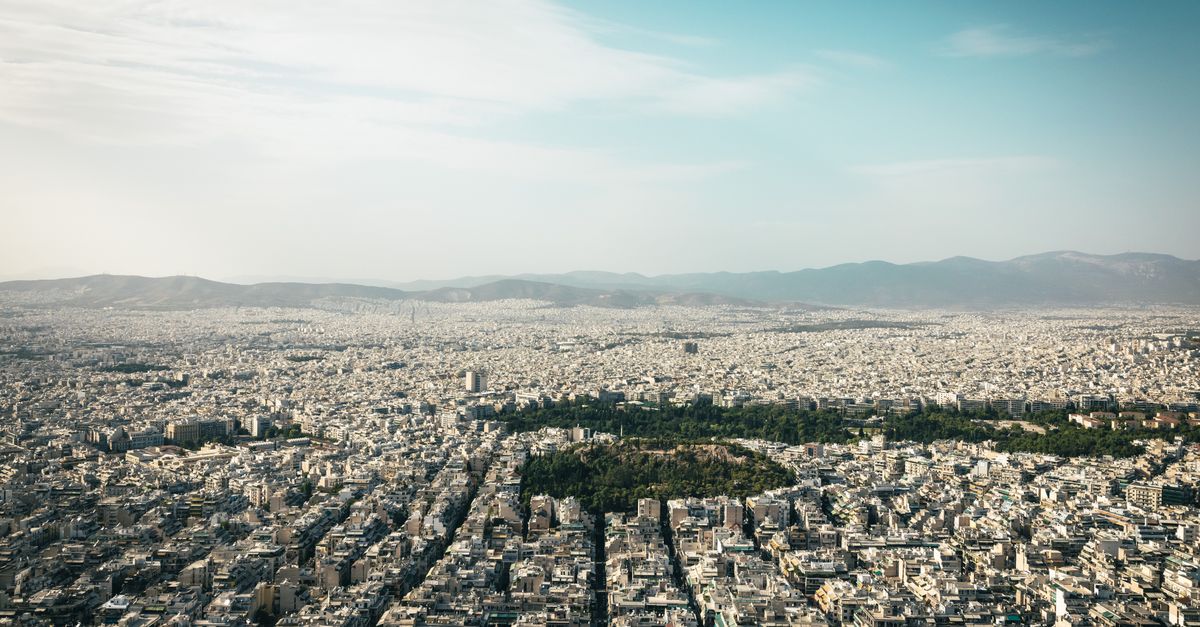
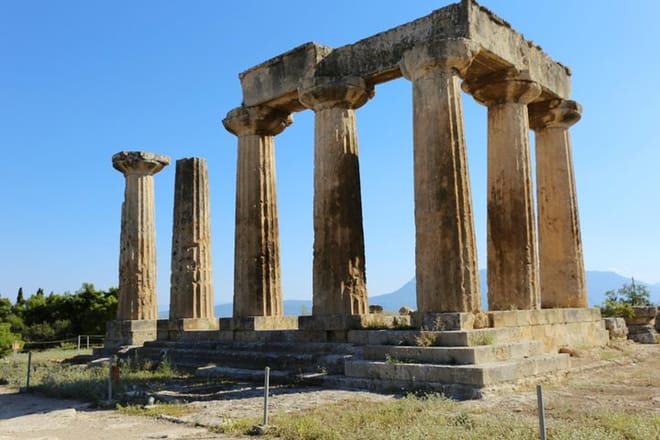
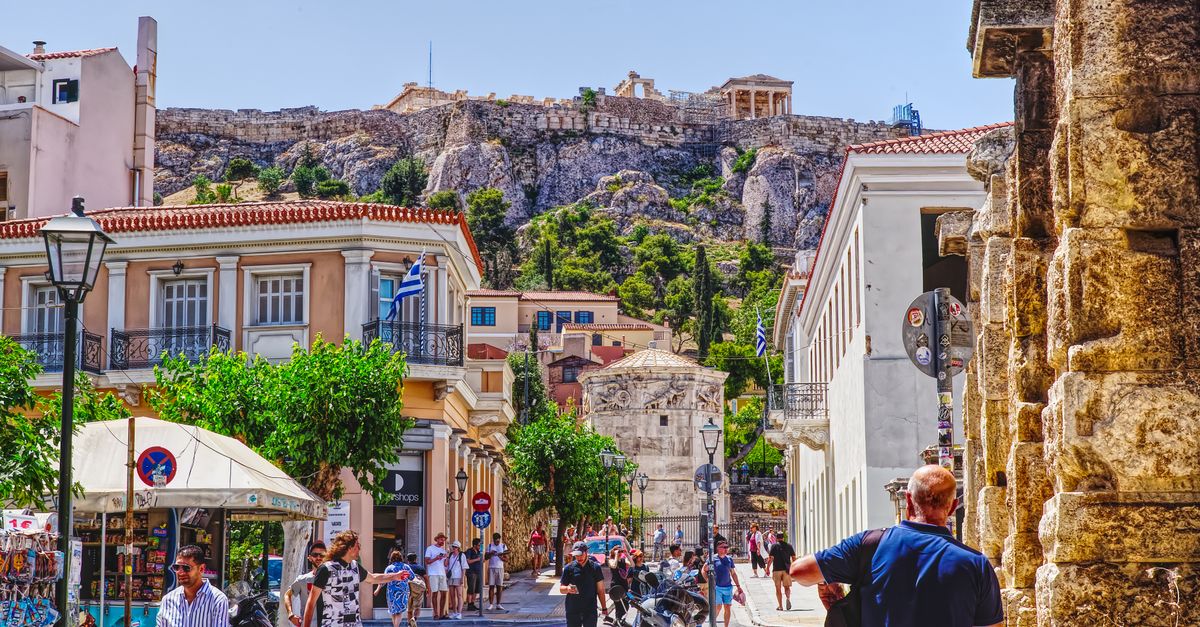
Athens is one of Europe's most rewarding destinations, blending ancient history with vibrant street life, excellent food, and welcoming neighbourhoods. From the iconic Acropolis to hidden archaeological museums and lively tavernas, there's far more to explore than most first-time visitors expect. Here are the essential things to do in Athens, organised by interest and location.
Ancient Sites & Archaeological Wonders
1. The Acropolis & Parthenon
No trip to Athens is complete without ascending to the Acropolis, the ancient citadel crowning the city. The Parthenon—dedicated to Athena and built between 447–432 BCE—remains the most recognisable ancient Greek temple. Entry includes access to the Erechtheion (with its famous Caryatid columns) and the Temple of Athena Nike. Arrive early morning or after 16:00 to avoid crowds and heat. The site closes at 20:00 (summer) and 17:00 (winter). Wear comfortable walking shoes and bring water; there's minimal shade.
2. The Acropolis Museum
Opened in 2009, this world-class museum sits at the base of the Acropolis and houses sculptures, pottery, and artefacts spanning 5,000 years. The glass-floored top level offers views directly to the Parthenon while you study its surviving sculptures. Budget 2–3 hours. A combined ticket for the Acropolis and museum is better value than separate entries.
3. Ancient Agora & Temple of Hephaestus
Once the heart of civic life in classical Athens, the Agora is less crowded than the Acropolis but equally fascinating. The remarkably preserved Temple of Hephaestus (5th century BCE) overlooks olive groves and excavation sites. The small museum on-site displays coins, statuary, and everyday objects that bring daily life into focus.
4. Panathenaic Stadium
This marble stadium hosted the first modern Olympic Games in 1896 and has been rebuilt on the same site as the ancient Panathenaic Stadium of 330 BCE. You can walk the track and climb the upper seating areas for views across the city. It's one of the few ancient sites where you get a physical sense of scale.
Experience it yourself
3 Days Private Tour: Kalavrita - Olympia - Mycenae - Epidaurus & Corinth
Greece's largest museum holds treasures from across the country: Mycenaean gold masks, Greek sculpture, mummies, and Egyptian artefacts. The collection of Bronze Age finds is unmatched. It's overwhelming if you rush; pick a few galleries of genuine interest rather than attempting everything. Allocate at least half a day.
6. Benaki Museum
A private collection spanning Greek art from ancient times to the modern era, displayed across a restored mansion near the Acropolis. The jewellery, manuscripts, and decorative arts are beautifully curated. The rooftop café offers quiet views and excellent coffee.
7. Museum of Cycladic Art
A compact, elegant museum focused on Cycladic marble figures (3000–1100 BCE) and later Greek and Cypriot art. Perfect for a focused 1–2 hour visit, and the building itself—a restored 19th-century villa—is charming.
Neighbourhoods & Street Life
8. Plaka & Historic Old Town
Directly beneath the Acropolis, Plaka's narrow lanes, neoclassical houses, and family-run tavernas capture old Athens. Wander without an itinerary: duck into small museums, browse antique shops, and eat at places packed with locals rather than tourists. Andrianou and Mnisikleous streets are pedestrianised and perfect for evening strolls. Tourist traps do exist here, so eat where Greeks eat (look for kitchens visible from the street and menu prices in Greek as well as English).
9. Psyrri (Artists' Quarter)
North-west of Plaka, Psyrri has transformed from a neglected district into a creative hub of galleries, street art, vintage shops, and young bars. Much less touristy than Plaka, with some of Athens's best small tavernas and cocktail bars. The vibe is grittier and more authentic; visit late afternoon through evening.
10. Exarcheia & Bohemian Life
A traditionally left-wing, counter-cultural neighbourhood with independent bookshops, underground music venues, and affordable mezze restaurants. It's edgier than Plaka or Psyrri but very livable and real. The National Archaeological Museum is nearby, making it a sensible base if you prefer neighbourhood immersion over tourist infrastructure.
11. Monastiraki & the Flea Market
Built around a Byzantine monastery, Monastiraki buzzes with energy. Sunday mornings (roughly 08:00–14:00) the flea market sprawls across surrounding streets selling everything from vintage furniture to tourist trinkets—haggling is expected. Even on other days, the square, souvenirs shops, and nearby tavernas make it a lively hub. The view of the Acropolis from the main square at dusk is stunning.
Day Trips & Extended Exploration
12. Cape Sounio & the Temple of Poseidon
About 70 km south-east, this clifftop temple (440 BCE) overlooks the Aegean and the sunset views are legendary. Go in late afternoon, spend an hour at the site, and watch the light change. The drive along the coastal road is beautiful. Several beach bars nearby make for a refreshing evening swim if time allows.
Just outside the city, this modest mountain offers hiking trails and Byzantine monasteries. A morning hike rewards you with views across Athens to the Saronic Gulf. Several trails are marked; the climb is moderate and takes 2–4 hours depending on route.
Food, Wine & Evening Culture
15. Food Tours, Wine Bars & Night Life
Greek cuisine is a reason to visit Athens alone. Book a best of Athens in a fast tour if you want guided context, but equally rewarding is exploring tavernas on foot. Seek out mezze (small shared plates), souvlaki (grilled meat skewers), saganaki (fried cheese), and seasonal vegetables. Wine bars in Psyrri and Plaka serve Greek wines by the glass. For live traditional music (rebetiko), head to Gazi or ask your hotel. Clubbing typically doesn't start until 23:00; many venues are free to enter but drinks are pricey.
Practical Tips for Your Visit
Timing: Spring (April–May) and autumn (September–October) offer warm, pleasant weather and fewer crowds than July–August. Consider the best time to visit Athens by month.
Budget: Athens is more affordable than northern Europe but pricier than provincial Greece. Get specific money-saving tips for Athens including free museum hours and affordable street food.
Getting around: The metro, tram, and bus network is cheap and efficient. A 3-day tourist pass covers unlimited transport and entry to many sites. Taxis and ride-apps are also affordable.
Avoid tourist traps: Eat where locals do (small family tavernas with visible kitchens beat glossy tourist-zone restaurants). Skip the Acropolis late morning; go very early or after 16:00 instead.
FAQ
Is Athens safe for tourists?
Yes, Athens is generally safe. Petty theft and scams can occur in crowded areas (Monastiraki, Omonia) and on public transport, so watch your belongings and avoid flashing expensive items. Stick to main streets at night and use registered taxis or ride-apps. Civil unrest is rare but can occur during political protests; check local news before travel.
What's the best time to visit Athens?
April–May and September–October offer warm, sunny weather with manageable crowds. Summer (July–August) is hot (often 35°C+) and extremely crowded; winter (December–February) is mild but can be rainy. The Acropolis and museums are open year-round.
Do I need more than 3 days in Athens?
Three days covers the Acropolis, 2–3 museums, and neighbourhood walks comfortably. Four to five days allows for a day trip to Cape Sounio or Corinth and deeper exploration of neighbourhoods. First-time visitors with just 2 days should prioritise the Acropolis, Acropolis Museum, and Plaka.
Can I visit Athens without speaking Greek?
Absolutely. English is widely spoken in central Athens, hotels, restaurants, and attractions. Younger Greeks especially speak excellent English. Learn a few basic Greek phrases (please, thank you, hello) to show respect—locals appreciate the effort even if conversation continues in English.