The Perfect 1 Day in Athens: Your Complete Itinerary
Yes, you can see the essential Athens in a single day—if you plan strategically. This itinerary balances the unmissable ancient sites (Acropolis, Parthenon, Ancient Agora) with neighbourhood wandering, local food, and breathing room so you don't spend all 24 hours queuing. You'll walk about 4–5 km total, so wear comfortable shoes, and aim to start early (7–8 am) to beat crowds and midday heat.
Early Morning: Acropolis & the Parthenon (7:30–10:30 am)
Arrive at the Acropolis entrance on Dionysiou Areopagitou Street before 8 am to skip the worst queues and enjoy cooler temperatures. Your ticket (€20, valid 4 days) also covers five other ancient sites including the Ancient Agora and Theatre of Dionysus. Once inside, head straight to the Parthenon—the iconic Doric temple dedicated to Athena dominates the skyline and photographs best in early morning light from the western terrace.
Spend 45 minutes here absorbing the scale and precision of 5th-century BC architecture. Don't miss the Erechtheion (the temple with the Caryatid porch on the north side) and the small Athena Nike temple near the entrance. The Acropolis Museum sits directly below; you'll return there later. Total time: 2–2.5 hours including the walk up and exploration.
Late Morning: Ancient Agora & Temple of Hephaestus (10:45 am–12:30 pm)
Walk downhill west via the Panathenaic Way (still partially original marble) into the Ancient Agora, where Socrates debated philosophy. The Temple of Hephaestus (also called Theseion) dominates this site—it's the best-preserved ancient Greek temple in the world, less crowded than the Parthenon, and stunning. The Agora is essentially an open archaeological park; wander among column stumps, read the plaques explaining the old marketplace layout, and imagine Athenian democracy in action 2,400 years ago.
The Stoa of Attalos, a reconstructed portico on the eastern edge, houses a small museum with pottery, sculptures, and voter ballots used in ancient elections. Allow 1.5–2 hours here. Grab water at the café inside the Stoa if needed.
Lunch: Plaka Neighborhood (12:45–2 pm)
Cross into Plaka, the old town district immediately northeast of the Acropolis, with narrow stone streets, bougainvillea, and tavernas. Avoid the tourist traps on the main drags (Pandrossou, Monastiraki); instead, hunt for side-street locals' spots where workers eat. Budget €10–15 for a proper lunch (grilled octopus, souvlaki, Greek salad, local wine or ouzo). Many tavernas close between 3–7 pm, so eat lunch here rather than dinner to avoid a repeat walk.
Quick alternative: grab a souvlaki wrap from a street vendor (€3–5) and eat standing up to save time.
Afternoon: Acropolis Museum (2:30–4:30 pm)
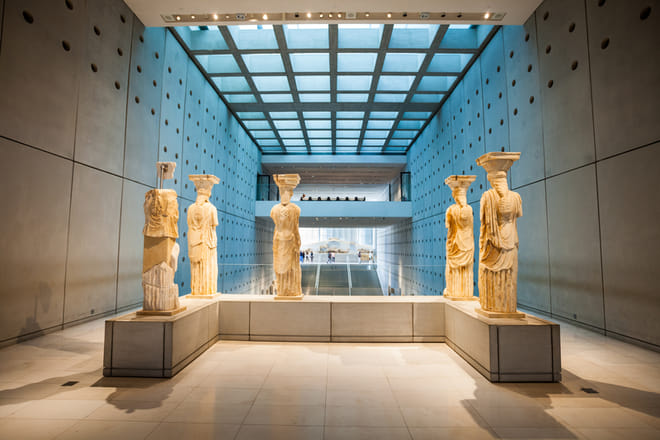
The Acropolis Museum (€15, already included in your Acropolis ticket) is one of Europe's finest. The modern building—all glass, steel, and air—sits on the south slope with views of the Parthenon through the windows. The collection is chronologically ordered: ground floor has prehistoric Cycladic figurines and Geometric pottery; second floor holds Archaic and Classical sculpture, including the famous Caryatids; top floor is the Parthenon Gallery, a full-scale replica of the temple interior with original metopes, pediments, and a forest of columns. Budget 2 hours. The audio guide (€7) is genuinely useful.
Skip the gift shop queues by buying postcards or books elsewhere.
Late Afternoon: Syntagma Square & National Gardens (4:45–5:45 pm)
Stroll north out of Plaka to Syntagma Square, the central hub with the Parliament building (Vouli). The Changing of the Guard happens hourly at the Tomb of the Unknown Soldier—the ceremony is short but oddly ceremonial. Wander into the adjacent National Gardens (Ethnikos Kipos), a shaded oasis of trees, ponds, and paths that feels a world away from the city. Sit on a bench, have a frappe (iced coffee, €3–4) from the garden café, and decompress.
Evening: Neighbourhoods & Dinner (6 pm onwards)
For dinner with locals rather than tourists, skip Plaka and head to Gazi (west of the city center, reachable by metro line 1 in 10 minutes) or Psyrri (similar vibe, just north of Monastiraki). Both have younger crowds, street art, craft beer bars, and tavernas serving modern Greek food. Expect €15–25 per person including wine.
Alternatively, consider an Athens By Night Private Tour to combine dinner, local wine tasting, and guided exploration of neighbourhood life without logistical stress.
If you have energy and want a final iconic view, head to Filopappos Monument (hill west of Acropolis, 20-minute walk uphill) or the Panathenaic Stadium (marble stadium that hosted the 1st modern Olympics in 1896) for sunset photos.
Practical Tips for One Day in Athens
Metro & transport: Buy a 24-hour metro/bus pass (€4.50) valid immediately. Most sites are walkable but the metro saves legs.
Tickets: Buy your combined Ancient Sites ticket online or at the Acropolis entrance. Expect crowds 10 am–3 pm; early mornings are golden.
Footwear: Wear proper walking shoes. Ancient stone is slippery when worn smooth over millennia.
Water & sun: Carry 1.5L water. Sunscreen and a hat are essential even in spring/autumn; summer sun on marble is relentless.
Timing flexibility: Bad knees? Skip the Acropolis climb and view it from Filopappos or a café terrace instead. Prefer Byzantine history? Swap the Agora for the Church of the Holy Apostles or Daphni Monastery.
Language: English is spoken widely in central Athens. Google Translate's camera function works well for menu reading.
One day isn't enough to truly know Athens, but it's enough to respect why 3 million people call it home. You'll leave wanting more—which is exactly the right feeling for a first visit.
FAQ
Can you really see all of ancient Athens in one day?
Yes, the essential sites (Acropolis, Parthenon, Ancient Agora, Acropolis Museum) fit into a single long day if you start early and skip meals or eat quickly. You'll miss neighbourhood museums, Byzantine churches, and the slower pace that makes Athens magical, but the main archaeological experience is possible in 10–12 hours.
What's the best time of day to visit the Acropolis?
7–9 am is ideal: fewer crowds, better light, and cooler temperatures before the midday heat peaks. Sunset (6–8 pm depending on season) is photogenic but packed with tour groups. Avoid 11 am–3 pm in summer unless you have very good sun tolerance.
How much does a one-day Athens trip cost?
Budget roughly €50–80 per person: Acropolis + Agora ticket €20, Acropolis Museum €15 (usually included), lunch €12–15, café/snacks €8–10, transport (24-hour pass) €4.50, and dinner €20–25. Museum audio guides (+€7) and souvenirs are optional. For more detailed budgeting, see our budget guide.
Should I book a guided tour or explore alone?
Solo exploration works fine if you prefer independence and have decent stamina. A half-day private guide (€100–150 for 1–2 people, often booked via things to do in Athens platforms) adds context and solves logistics, especially if you want stories about mythology or architecture rather than just dates and dimensions. Many travellers split the difference: hire a guide for the Acropolis (2 hours) and Agora (1 hour), then explore neighbourhoods independently.