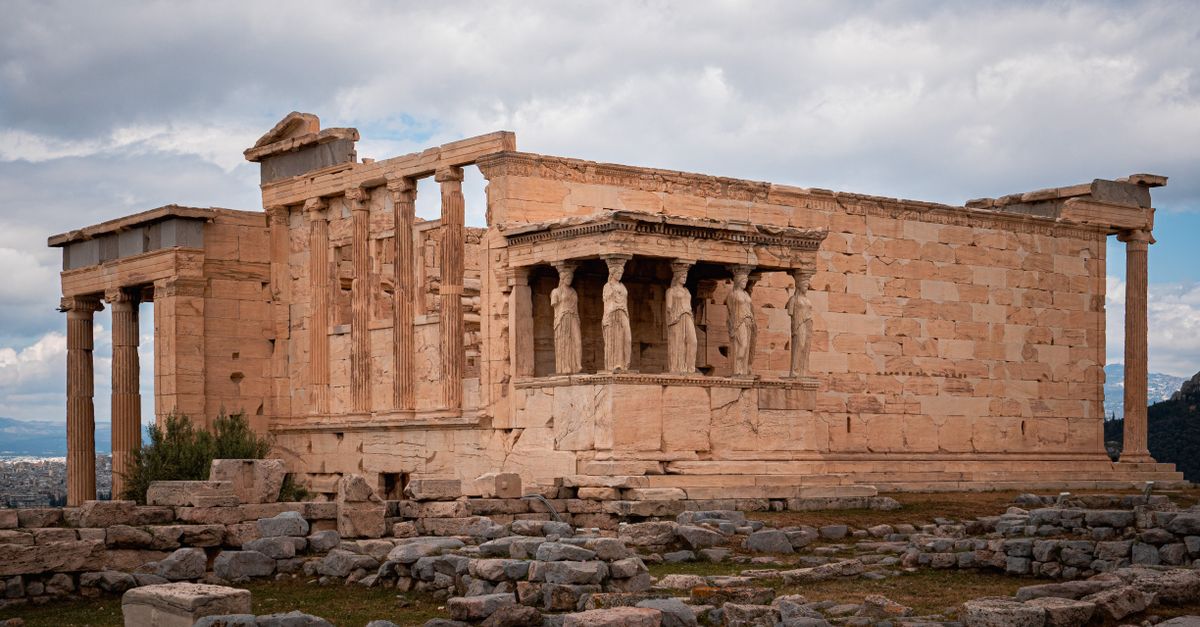
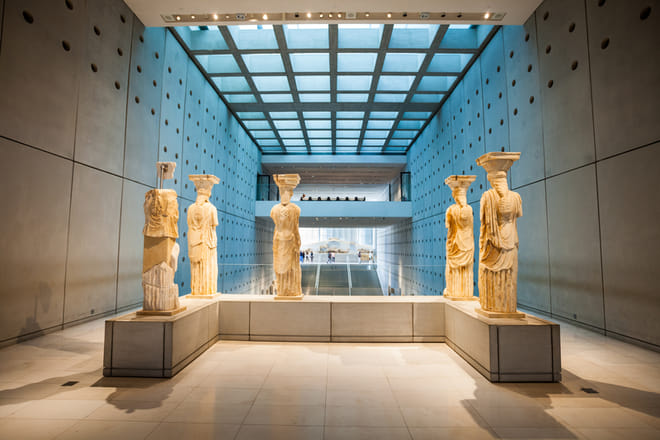
Athens is a photographer's dream, where ancient ruins meet vibrant street art, and golden-hour light transforms everyday corners into cinematic scenes. Whether you're chasing the iconic Acropolis at sunset or hunting for hidden neighbourhood gems, this guide reveals the spots that will make your followers stop scrolling.
The Acropolis and Parthenon at Sunset
No list is complete without the obvious—but there's a reason millions photograph it. The Parthenon glows warm orange as the sun dips toward the horizon, and the crowd thins out after 6 p.m. The best angle is not from the top, but from the Areopagus (Mars Hill) just to the west, where you can frame the temple against the city sprawl. Arrive by 5:30 p.m. to claim a spot on the rocks.
For a less-crowded alternative, climb to the Philopappos Monument on the hill directly opposite—the Acropolis view is equally stunning and you'll have breathing room. Both require sturdy shoes and about 30 minutes of walking from Plaka.
Hidden in the shadow of the Acropolis, this pocket-sized neighbourhood of whitewashed houses and potted bougainvillea feels transplanted from an Aegean island. Built by migrants from Anafi in the 1800s, it's a maze of car-free lanes where every corner rewards the camera. Shoot early (before 9 a.m.) to avoid foot traffic, and look for ivy-draped doorways, blue shutters, and plant-filled balconies.
Anafiotika is accessed from Plaka's upper streets near the Roman Agora. It's free to explore and easily combined with things to do in Athens in the historic quarter.
Panathenaic Stadium
This marble amphitheatre hosted the first modern Olympics in 1896 and is one of Athens' most photogenic monuments. The white marble catches light beautifully in late afternoon, and you can photograph the stadium's tiers leading down to the track, or frame it against the Hymettus mountains. The interior is open to visitors (usually until 5 p.m., small entry fee required), and you can stand trackside where athletes once competed.
The exterior is equally captivating—shoot from the bridge on the north side for an elevated perspective across the full structure.
Street Art in Exarcheia and Gazi
Exarcheia, northeast of Syntagma, is Athens' street art capital. Walls burst with colour—giant faces, political murals, abstract pieces—many by internationally renowned artists. It's chaotic and ever-changing, which keeps it fresh for repeat visitors. The neighbourhood also thrums with cafes, vintage shops, and a bohemian energy. Best photography hours: morning (7–9 a.m.) when light is soft and the streets quieter.
Gazi, further south, houses the Technopolis cultural venue surrounded by massive industrial-scale murals and galleries. The street art here tends toward larger-than-life figures and bolder colours. Both areas are safe for daytime exploration, though avoid very late hours.
Plaka's Narrow Streets and Tavernas
The old town below the Acropolis is all winding lanes, ivy-covered walls, and family-run tavernas with string lights overhead. Shoot the cobblestones leading uphill, a lone cat in a doorway, or a traditional taverna's candlelit table. Mnisikleous Street and the lanes around it are particularly atmospheric in early evening when restaurant staff are setting tables and golden light filters through the narrow gaps between buildings.
Avoid mid-afternoon (1–4 p.m.) when tour groups clog the lanes; sunrise or sunset are ideal. Expect to pay €12–18 for a main course if you stop for food.
The Roman Agora and Tower of the Winds
This archaeological site just north of Plaka is quieter than the main Acropolis complex but equally photogenic. The Tower of the Winds, an octagonal marble structure from the 1st century BCE, photographs beautifully from ground level with the Acropolis looming behind it. The whole agora has a serene, less-trampled feel that makes for authentic traveller shots rather than typical tourist snaps.
Entry is included with the Acropolis combo ticket (€30 in high season) or €8 standalone. Opens around 8 a.m.; visit early for soft light and solitude.
Syntagma Square and the Changing of the Guard
The formal Hellenic Parliament building and the ceremonial guard change (on the hour, every hour) offer patriotic photo ops. The guards' pom-pom-laden uniforms and synchronised movements are quintessentially Greek. Arrive five minutes early to secure a position, and use a fast shutter speed to freeze the high kicks. Early morning light is clearest; late afternoon creates long shadows that can add drama.
Lysikrates Monument and Theatre of Dionysos
In the theatre district below the Acropolis, the Lysikrates Monument—a small but ornate 4th-century BCE structure—is one of Athens' most underrated photo subjects. The stone glows golden in afternoon light, and the neighbouring plane trees provide framing. Nearby, the vast Theatre of Dionysos amphitheatre offers layered stone compositions and views back toward the Acropolis.
Both are within the Acropolis archaeological park and visited by far fewer people than the main temple. Arrive after 4 p.m. for warm light and smaller crowds.
Practical Tips for Photography in Athens
Golden hours: Sunrise (6:30–7:30 a.m.) and sunset (5:30–7 p.m.) are non-negotiable for the best light. Winter sunsets occur earlier (around 5 p.m.).
Crowds: Peak tourism runs May–September. For Instagram-worthy shots with fewer phone-wielders, visit between November and March.
Permits: For commercial photography or drones, you'll need permits. Amateur/personal photography is unrestricted in public spaces.
Sun protection: Athens is intense; bring sunscreen, a hat, and water. Many sites have no shade.
Combination tickets: The Acropolis combo ticket (€30 in high season, €15 in low) covers multiple archaeological sites and offers better value than individual entries.
Getting around: Comfortable walking shoes are essential. The metro is fast and cheap (€1.40 single fare); taxis are also affordable by European standards.
Timing Your Visit
If you're planning a full trip, read our guide on how many days you need in Athens—three to four days allows time for major sites plus neighbourhood exploration. For budget-conscious travellers, check our money-saving tips for Athens, which cover free sites and affordable meals. Consider pairing your Athens visit with a Best of Athens in a Fast Tour to hit the highlights efficiently, then explore street art and quiet corners on your own.
FAQ
What is the best time of day to photograph the Acropolis?
Sunset (one hour before dusk) offers warm, golden light and thinner crowds. For sunrise shots, arrive by 6:30 a.m. Midday (10 a.m.–3 p.m.) light is harsh and crowds are heaviest; avoid if possible.
Is street photography safe in Athens?
Yes. Exarcheia and Gazi are lively neighbourhoods with foot traffic and cafes; they're safe during daytime. Avoid walking alone in very remote areas late at night, as with any city. Keep belongings secure in crowded areas like Plaka and Syntagma.
Do I need a permit to photograph for social media in Athens?
No, personal/amateur photography for social media is permitted in public spaces without a permit. Commercial shoots, video production, or drones require advance permits from local authorities.
Which Athens neighbourhood has the best street art?
Exarcheia is the undisputed street art capital, with constantly evolving murals and political installations. Gazi, home to the Technopolis arts venue, hosts larger-scale industrial pieces. Both are best explored on foot in early morning.