Athens rewards walkers. The city's most iconic landmarks—the Acropolis, the Parthenon, ancient temples—cluster within a few kilometres of each other, connected by steep streets, hidden staircases, and neighbourhoods that reveal themselves best on foot. A good walking tour moves you through layers of history while a local guide explains what you're seeing, saves you from dead ends, and introduces you to spots tourists usually miss.
Whether you prefer a structured group tour or a private guide tailored to your pace and interests, Athens has options for every budget and schedule.
Why Walk in Athens?
Walking is the only sensible way to explore central Athens. The Acropolis dominates from above; neighbourhoods like Plaka and Psyrri are designed for wandering; and the city's best coffee shops, tavernas, and street art appear at eye level, not from a bus window. Spring and autumn are ideal (see our best time to visit Athens guide for detailed seasonal advice), when temperatures stay comfortable and daylight lasts long enough for evening strolls.
Most walks are manageable for people with average fitness. The terrain includes hills and cobblestones, so wear proper walking shoes. Bring water; shade is limited in summer months.
Experience it yourself
3 Days Private Tour: Kalavrita - Olympia - Mycenae - Epidaurus & Corinth
This is the must-do walk for first-time visitors. Starting from Syntagma Square or Monastiraki, the route climbs to the Acropolis through Plaka, threading past the Theatre of Dionysus and the Odeon of Herodes Atticus before reaching the Parthenon itself. Allow 3–4 hours including time to explore the summit.
From there, many tours continue downhill to the Temple of Olympian Zeus and the Panathenaic Stadium (Kallimarmaro), where the first modern Olympic Games were held in 1896. The walk covers roughly 5 km and mixes archaeological sites with lived-in streets where locals buy groceries and sit in cafés.
A guide adds enormous value here—they explain which marble fragments belong to which temples and decode the visual chaos of overlapping eras. Consider booking a best-of-Athens tour if you have limited time; most run 4–5 hours and include Acropolis entry.
Plaka: The Old Town Meander
Plaka, the neighbourhood directly beneath the Acropolis, is a web of narrow streets, neoclassical houses, and tavernas. It's easy to get pleasantly lost here, but a structured walk prevents aimless wandering and introduces you to details—Ottoman-era doorways, the Anafiotika district (built by islanders in the 1830s), the Roman Agora with its Tower of the Winds.
Most Plaka walks are 2–3 hours and can be combined with visits to the Museum of the City of Athens or the Panathenaic Stadium. This is where you'll find the best tourist tavernas, but also where locals still live and work, so respect quietness in residential streets and avoid eating in places with picture menus and staff lingering on the pavement.
Street Art & Modern Neighbourhoods (Psyrri, Gazi, Exarcheia)
Athens's street art is world-class, concentrated in areas tourists often skip. Psyrri (west of Plaka) and Exarcheia (north of Syntagma) are covered in murals, stencils, and paste-ups by local and international artists. Walking tours focused on street art typically run 2–3 hours, start around 10am or late afternoon, and usually cost €20–35 per person for a group tour.
These walks also introduce you to independent galleries, craft workshops, and the city's contemporary creative scene. Guides often know artists personally and can explain the stories behind major pieces. Timing matters: go mid-morning or late afternoon to avoid the worst heat and to find cafés and shops actually open.
Food Tours with a Walking Element
If you want to combine sightseeing with eating, food-focused walks are excellent for learning about Greek ingredients and local life. A typical tour visits markets (like Varvakios Central Market), stops at family-run delis for tastings, and includes lunch or dinner at a neighbourhood taverna. These usually run 4–6 hours and cost €80–150 per person, with food included.
You'll taste feta from different regions, olive oils, local cheeses, and regional specialties—and the guide explains where to buy these things at fair prices without tourist markups. This is practical knowledge you can use for the rest of your trip.
Guided vs. Self-Guided vs. Private Tours
Group walking tours (€20–50 per person) run daily, move at a set pace, and are fine for basic orientation. Companies like Viator and GetYourGuide offer dozens of options; read recent reviews to avoid groups larger than 15 people or guides who rush.
Self-guided walks work well if you have a good offline map app and are comfortable navigating by landmarks. You can take the time you want and skip crowded sites, but you'll miss the archaeology and history details a guide provides. A decent guidebook or a walking-tour book structured as a route (not just descriptions) helps enormously.
Private guides cost €80–200 for a half-day, depending on the guide's experience and your group size. You set the pace, choose what you focus on, and can ask detailed questions. For families, friends traveling together, or anyone visiting Athens for more than a day, this is worth the cost—especially if you book through your hotel concierge or a local operator with good reviews.
Beyond the Centre: Walking Day Trips
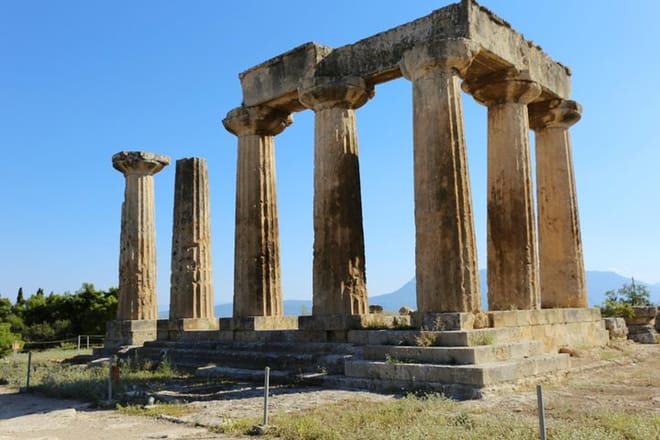
If you have 2–3 days in Athens, consider extending with day-trip walks. Ancient Corinth, Mycenae, Epidaurus & Nafplio tours combine vehicle transport with walking at each site—you'll walk the remains of Corinth's temples and the fortress at Mycenae, then explore the charming waterfront of Nafplio. These full-day tours usually depart around 8am and return by 6pm.
Alternatively, a Corinth half-day tour works if you have a limited schedule. For a longer escape, a 10-day Peloponnese private tour strings together walking routes through Delphi, Olympia, and the Peloponnese region—ideal if Athens is your base for exploring classical Greece.
Practical Tips
Best time to walk: October–April (15–25°C). June–August afternoons are too hot (35–40°C). Early morning walks (7–9am) beat crowds and heat.
What to bring: Water, sunscreen, hat, good walking shoes with grip (cobblestones are slippery when wet). A portable phone charger is wise; use offline maps.
Cost of entry: The Acropolis and ancient monuments charge entry (typically €15–20 for the Acropolis alone). Many walking tours include entry in the price; check the booking details. Our budget guide for Athens covers ways to save on entry fees and tours.
Duration planning: See how many days you need in Athens. If you have one day, do the Acropolis loop. With two days, add Plaka and a street-art walk or food tour. Three days allows side trips to Corinth or Delphi.
Language: Most tours are in English. Greek guides often speak 2–3 languages and will slow down if you ask.
Where to Book
Walk into a hotel lobby or search online on Viator, GetYourGuide, or Airbnb Experiences for instant options. For better value and smaller groups, book direct with local operators like Athens Walking Tours (established companies with consistent reviews). Private guides can be arranged through your hotel or by searching "private walking guide Athens" with recent reviews as your filter.
Book at least a day in advance, especially for specialized tours like food walks or street-art focuses. Summer (June–August) fills up faster; book a week ahead if possible.
FAQ
How long is a typical Athens walking tour?
Most run 2–5 hours. A classic Acropolis tour takes 4 hours; a Plaka stroll is 2–3 hours; street-art walks and food tours typically last 3–4 hours. Longer day trips to Corinth or Delphi run 7–10 hours including travel.
Do I need to book in advance?
For popular tours in summer, yes—at least 24 hours ahead to guarantee a spot. Off-season (Nov–March), same-day bookings often work, but booking ahead lets you plan your day better and sometimes unlocks early-bird discounts.
Are Athens walking tours suitable for elderly people or those with limited mobility?
It depends on the route. Plaka and street-art walks involve hills and cobblestones; not ideal for wheelchairs or very limited mobility. Ask tour operators specifically about accessibility—some offer flatter routes or vehicle support. Private guides can sometimes tailor walks to your needs.
What's the best walking tour for a rainy day?
Food tours and museum-focused walks work in light rain. Avoid street-art walks (colours don't show well; ground is slippery). Many museums can be visited independently, and many cafés and tavernas offer shelter and excellent food. Check your hotel concierge for covered markets and indoor alternatives.