Santorini's volcanic terroirs, sun-soaked vineyards, and Mediterranean seafood create some of Greece's most distinctive food and wine experiences. Beyond the tourist-heavy caldera views, authentic dining here means intimate tavernas serving local catches, family-run wineries producing rare varieties, and cliff-side restaurants where the food matches the setting.
Wine Tasting in Santorini's Volcanic Vineyards
Santorini's wine reputation rests on two things: ancient volcanic soil and the indigenous Assyrtiko grape, which thrives in the island's harsh, windswept conditions. The result is crisp, mineral-driven white wines with character you won't find elsewhere.
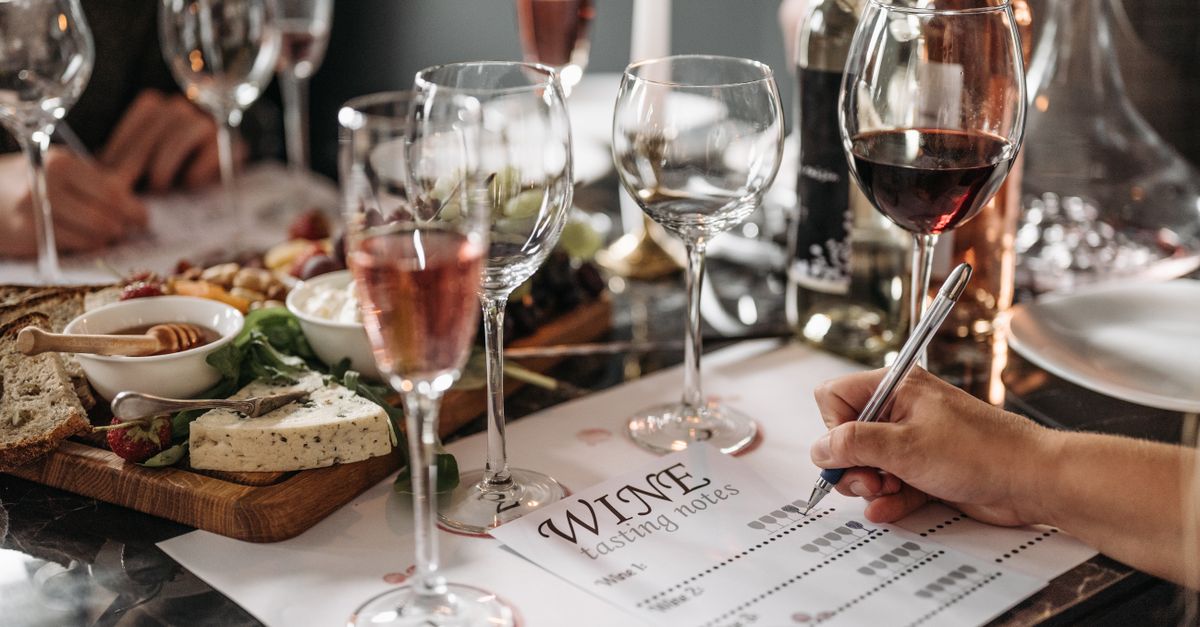
What to expect: Most wineries welcome visitors for tastings, typically lasting 1–2 hours. You'll sample 3–5 wines paired with local cheese, olives, or cured meats. Costs range from €15–40 per person depending on the winery's prestige and tasting menu depth.
Established names: Santo Winery and Venetsanos offer panoramic caldera views alongside their pours, though expect tour groups.
Smaller producers: Family-run operations in Megalochori and Kamari villages provide more intimate tastings and lower prices (€15–25).
Timing: Visit in late morning (10–11 a.m.) to avoid afternoon heat and crowds. Spring (April–May) and autumn (September–October) offer the most pleasant conditions.
Beyond Assyrtiko, try Vinsanto, a rare local dessert wine aged in the sun, and red blends using Mavrotragano grapes. Many wineries also sell bottles at significantly lower prices than Athens or tourist shops.
Fresh Seafood and Traditional Taverna Dining
Santorini's fishing fleet is small but skilled, and the catch—daily grilled octopus, sea urchin, and white fish—defines summer eating here. Authentic tavernas serve these simply: grilled with olive oil, lemon, and oregano.
Where to eat: Skip the caldera-edge restaurants charging €30+ for basic fish. Instead, head to working fishing villages like Vlychada or Kamari, where locals eat. You'll find grilled octopus (htapodi) for €12–18 per kilo, fresh mussels for €10–14, and whole grilled fish at honest prices.
Fava: A creamy yellow-split-pea dip unique to Santorini (and Fava beans, despite the name). Order as a starter; it's warming and affordable (€6–8).
Saganaki: Fried cheese, often flambéed tableside—a showstopper appetiser (€8–12).
Horta: Boiled seasonal greens with lemon and olive oil, humble and delicious (€5–7).
Souvlaki and grilled meats: Pork, lamb, or chicken skewers remain affordable (€8–15 for a main).
Timing note: Lunch (1–3 p.m.) is cheaper and quieter than dinner. Many tavernas close by 10 p.m. in shoulder seasons (April, October–November).
Wine and Food Pairing Experiences
Several wineries and restaurants now combine tastings with multi-course meals designed around local wines. These experiences showcase how Santorini's food and wine traditions intertwine.
Expect 4–6 courses paired with 3–5 wines, often featuring fava, grilled fish, slow-roasted lamb, and local cheeses. Prices range from €60–120 per person. Booking ahead is essential, especially June–September. Many experiences last 3–4 hours and include vineyard walks or winery histories.
Perissa and Kamari host the liveliest weekly markets (typically Tuesday or Wednesday mornings), where farmers sell tomatoes, white eggplants, capers, and herbs. A morning there costs nothing and gives you a genuine slice of island life.
Several cooking schools offer half- or full-day classes teaching how to make traditional mezze, pasta, or desserts. Expect to pay €80–150 and leave with recipes and a meal you've prepared. These classes book months ahead in summer; shoulder seasons (April–May, September–October) offer more availability.
Fava, Capers, and the Island's Signature Ingredients
Santorini's volcanic soil produces ingredients unlike anywhere else. Tiny capers (kapari), white eggplants, and cherry tomatoes are famous, but the island's fava—a creamy yellow-split-pea dip—has become emblematic of Santorinian cuisine. Many locals credit the volcanic terroir for fava's unique flavour.
Smaller producers sell artisanal versions in glass jars. A 300g jar costs €6–10 and makes a memorable gift; seek them at farmers' markets or the many farm shops scattered across the island.
Practical Tips for Food and Wine in Santorini
Budget: A quality meal with wine ranges €25–50 per person at honest tavernas, €40–80 at mid-range restaurants. Wine tastings add €15–40. See Santorini on a Budget: Costs & Money-Saving Tips for more detail.
Transport: Renting a car or booking a driver is essential to visit wineries and village tavernas safely; public buses exist but are infrequent. Many wineries arrange pickups for group bookings.
Reservations: Dinner reservations are wise at established restaurants June–September. Lunch rarely needs booking.
Duration:How Many Days Do You Need in Santorini? recommends at least 3–4 days to properly explore food and wine; 2 days allows only a rushed tasting or two.
FAQ
What is the best time to visit Santorini for food and wine?
Late April through May and September through October are ideal. Summer (June–August) is hot, crowded, and pricey; winter months (November–March) see some winery closures and shorter restaurant hours. Spring and autumn offer pleasant weather, fewer crowds, and better availability for tastings and classes.
How much does a wine tasting cost in Santorini?
Basic tastings at smaller family wineries cost €15–25 per person. Established wineries with caldera views charge €25–40. Multi-course pairing experiences at high-end venues range €60–120 per person. Many wineries apply the tasting fee toward wine purchases.
Yes, but with limitations. Organised food and wine tours pick you up from your hotel and handle transport. Expect to pay €80–150 per person for a half-day experience. Public buses connect main towns, but reaching remote wineries and village tavernas independently is difficult. A rental car or private driver (€50–80/day) offers far more flexibility.
Is Santorini food expensive?
It depends on where you eat. Tourist-facing restaurants on the caldera charge €25–40 for simple fish. Local tavernas in Kamari, Vlychada, or Perissa serve equally fresh food for €12–20 per main course. Wine tastings and cooking classes are moderately priced (€15–80). Overall, expect higher costs than mainland Greece but reasonable value for the quality and setting.