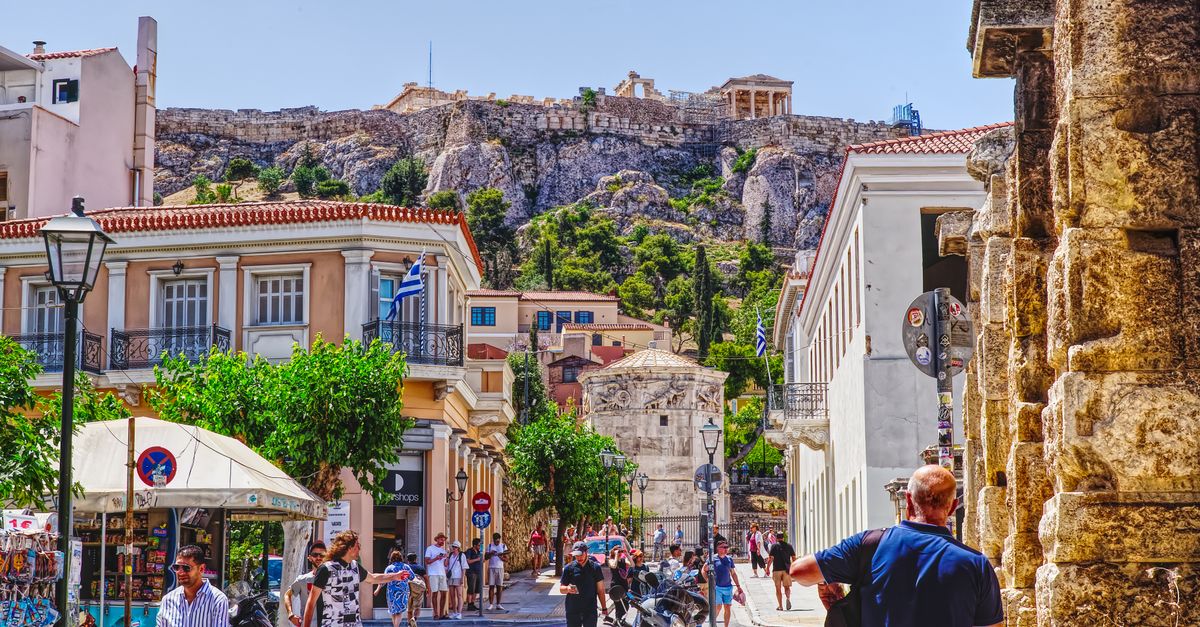
Athens is a city where food runs deeper than souvlaki stands. Greece's capital blends ancient culinary traditions with modern technique, offering everything from family tavernas tucked into Plaka's winding streets to Michelin-starred restaurants experimenting with Aegean ingredients. Whether you're hunting for authentic meze in a neighbourhood wine bar or joining a market-to-table cooking class, Athens rewards curious eaters with flavours that connect directly to the land and sea surrounding the city.
Traditional Tavernas and Neighborhood Gems
The soul of Athenian dining lives in neighbourhood tavernas, where tables spill onto narrow streets and regulars order without menus. These aren't tourist traps—they're where Athenians actually eat. Head to Psyrri and Gazi districts, not just Plaka, to find family-run establishments serving dishes passed down through generations.
Look for tavernas advertising paidakia (lamb chops grilled over charcoal), pastitsio (baked pasta with béchamel), and stifado (slow-cooked stew). The key is timing: arrive between 2–3 p.m. for lunch or after 9 p.m. for dinner. Athenians eat late, and restaurants don't hit their stride until 10 p.m. Budget €12–25 per person for a full meal with wine at traditional spots.
Don't skip horta (boiled greens with lemon) or melitzanosalata (smoky aubergine dip)—these simple dishes reveal the quality of ingredients. Ask locals or your hotel staff for recommendations; word-of-mouth beats any guidebook in Athens.
Experience it yourself
3 Days Private Tour: Kalavrita - Olympia - Mycenae - Epidaurus & Corinth
Meze—small plates of cheese, cured meat, seafood, and vegetables—are the backbone of Greek eating. The beauty lies in sharing and grazing, making wine bars ideal for exploring flavours without committing to a full meal.
The Vino district around Psyrri has exploded with modern wine bars where Greek natural wines pair alongside traditional meze. Order saganaki (fried cheese), htipiti (whipped feta), loukoumades (honey puffs for dessert), and regional cured meats. Many bars stock wines from small Greek producers—Santorini, Nemea, and Peloponnese labels—many unknown outside Greece. A meze spread with wine typically costs €20–35 per person.
The ritual matters as much as the food: Greeks nurse drinks for hours, order plates gradually, and treat meze as an excuse for conversation. Embrace the slowness.
Seafood and the Athenian Riviera
While not technically in Athens city centre, the Athenian Riviera (Glyfada, Vouliagmeni, Astir) is a 20–30 minute metro or tram ride from Syntagma Square and offers excellent seafood dining with sea views. Restaurants here specialise in htapodi (octopus grilled or stewed), branzino (sea bream), and garides saganaki (prawns with feta and tomato).
For urban seafood, explore the Varkiza strip or return to central Plaka for casual fish tavernas. Expect to pay €25–50 per person at riviera spots, less in central neighbourhoods. Fish is priced by weight, so always confirm the price before ordering.
The catch is fresh—daily deliveries from Aegean fisheries—but quality varies. Busy, well-reviewed spots near the water tend to be safer bets than quiet ones.
Markets and Street Food
Varvakios Agora, the central market near Monastiraki, is where Athenians shop but also where travellers can taste the city's raw ingredients. Browse stalls of olives, cheeses, nuts, and dried fruit. Many vendors offer free tastes. This is the place to buy feta, halloumi, and loukoumi (Turkish delight) to take home.
For street food, hunt souvlaki (grilled meat on skewers) from hole-in-the-wall joints—€3–6 for a wrap. Loukoumades (honey puffs) and koulouri (sesame bread rings) are breakfast staples sold from street carts. The Modiano market also offers quick bites and fresh produce.
Timing is key: markets are liveliest 8 a.m.–2 p.m. weekdays, closed Sundays or open limited hours.
Modern and Michelin-Starred Dining
Athens has earned a reputation for modern Greek cuisine, with chefs reinterpreting traditional dishes using precise technique and premium local ingredients. Several restaurants hold Michelin recognition, though booking ahead is essential (often weeks in advance).
Expect tasting menus at €80–150+ per person at top establishments. These restaurants source from specific producers—heritage wheat varieties, rare herbs, and single-vineyard wines—making them ideal if you want to understand contemporary Greek food philosophy. However, they're not essential to eating well in Athens; some of the city's most memorable meals happen in modest neighbourhood spots.
If budget allows, one tasting menu experience can deepen your appreciation for the ingredients you'll encounter elsewhere in the city.
Greek Wine and Ouzo
Greece's wine regions punch above their weight internationally. Santorini produces crisp white Assyrtiko; Nemea yields full-bodied Agiorgitiko; Peloponnese offers diverse terroirs. In Athens, seek out small-producer wines in wine bars—they're often €5–10 per glass and vastly superior to mass-market bottles.
Ouzo, the anise-flavoured spirit, is traditionally served as an aperitif with meze or sipped neat with water (it clouds when diluted, a ritual called "louching"). It's not for everyone, but trying it in context—at a taverna, late evening, with local company—reveals why Greeks cherish it.
Wine tastings and courses are available through private guides, though booking direct with specific restaurants or wine bars often yields better value.
Practical Tips for Eating in Athens
Timing: Lunch is 2–3 p.m.; dinner starts around 9 p.m. Tourist-focused restaurants open at 6 p.m., but locals arrive later.
Payment: Cash is still king in many tavernas, though cards are increasingly accepted. Tipping 5–10% is appreciated but not obligatory.
Language: English menus are common in central areas; rural tavernas may require pointing or translation apps. Don't let this discourage exploration.
Allergies/Dietary needs: Inform restaurants clearly. "Horta" (vegetables) and mezze make vegetarian eating straightforward; vegan requires more planning.
Value: Athens is affordable compared to Western Europe. A full meal with wine costs €15–30 per person at neighbourhood spots, €40–60 at upscale casual restaurants.
To deepen your Athens experience, consider joining a guided tour of the city's highlights, which often includes food-focused stops. For broader trip planning, explore how many days you need in Athens to balance sightseeing with leisurely meals. If you're budget-conscious, our Athens budget guide breaks down realistic food costs and money-saving strategies. For things to do in Athens, food tours and cooking classes regularly appear—worth booking 2–3 days ahead.
FAQ
What's the best neighbourhood for food in Athens?
Psyrri and Gazi offer the most authentic mix of traditional tavernas and modern wine bars, with fewer tourists than Plaka. For upscale dining, Kolonaki is the choice; for casual seafood, the Athenian Riviera (Glyfada) is worth the short metro ride.
Do I need to book restaurants in advance?
Not for casual tavernas—just show up during meal times. For Michelin-starred or trendy restaurants, book 1–2 weeks ahead. Mid-range tavernas accept walk-ins but may have waits during peak hours (1–2 p.m., 9–10 p.m.).
Is Athens food expensive?
No. A full meal with wine costs €15–30 per person at neighbourhood tavernas, €40–60 at upscale casual spots. Street food is €3–8. Michelin restaurants are €80–150+, but they're optional. Athens remains one of Europe's most affordable capitals for eating well.
What should I try that's uniquely Athenian?
Seek out neighbourhood taverna staples: pastitsio, stifado, paidakia, and saganaki. Try Greek wine from unfamiliar producers, ouzo with meze, and breakfast loukoumades from street carts. These experiences capture the essence of eating in Athens better than any dish name alone.