Athens is where Western civilization was born, and stepping into the city means walking through 2,500 years of history. But this bucket list isn't just about ticking off monuments—it's about the moments that make Athens unforgettable: standing in the shadow of the Parthenon at dawn, tasting fresh feta in a taverna tucked down a winding street, or watching the city lights shimmer from Lycabettus Hill. Whether you're a history devotee, food lover, or culture seeker, things to do in Athens span the ancient and the intensely modern.
Walk the Acropolis and Parthenon at First Light
Arrive before 8 a.m. to beat crowds and catch the Parthenon glowing in early sunlight. This isn't just a photo op—it's the moment when 2,400 years collapse. The Acropolis Museum (located at the base, just south of the site) is equally essential; its glass floor lets you see archaeological layers beneath your feet. Budget 3–4 hours total. Tickets to the Acropolis site include entry to several other Classical sites (Theatre of Dionysus, Odeum of Herodes Atticus). Wear comfortable shoes; the marble is steep and slippery, especially in summer heat.
Experience it yourself
3 Days Private Tour: Kalavrita - Olympia - Mycenae - Epidaurus & Corinth
This is the world's greatest collection of ancient Greek artifacts, and most tourists miss it while hunting postcards. The Mycenaean collection—gold death masks, intricate pottery—rivals anything in the Louvre. The Hellenistic bronzes, especially the jockey on horseback, will stop you mid-stride. Plan 2–3 hours minimum; go mid-morning on a weekday if possible. The museum's modern layout makes navigation straightforward, and English labeling is thorough.
Wander Plaka and Monastiraki—Where Locals Actually Eat
Skip the tourist-trap tavernas on the main drag. Instead, duck into side alleys where families have run the same restaurant for forty years. Order spanakopita (spinach pie), saganaki (fried cheese), and grilled octopus. In Monastiraki, the Sunday morning flea market is genuine—vendors sell everything from vintage brass to Communist-era Soviet watches. The energy is chaotic and real in a way few cities still are. Arrive early (before 10 a.m.) to find the best finds and avoid the worst crowds.
Hike Lycabettus Hill for Sunset and City Views
A 30-minute hike (or a three-minute funicular ride) takes you 300 meters above the city. The vantage point is unbeatable: the Acropolis to the south, the Athenian sprawl in all directions, and the sea on clear days. Go at 5 p.m. in summer, bring water, and plan to stay through sunset (around 8 p.m. in June). The small church and cafe at the top serve drinks but charge tourist prices. This is a local habit, not a tour-bus destination.
Visit the Temple of Olympian Zeus and Hadrian's Arch
Fifteen Corinthian columns still stand from what was once the largest temple in Greece. Built over 700 years, it wasn't completed until the Roman emperor Hadrian finished it in 131 A.D. The juxtaposition of Hadrian's Arch (just north) marks the boundary between ancient Athens and Roman Athens—a literal and symbolic threshold. The site is peaceful, often overlooked, and the scale is genuinely humbling. Entry is included in the Acropolis multi-site ticket.
Take a Guided Day Trip to Corinth, Mycenae, and Epidaurus
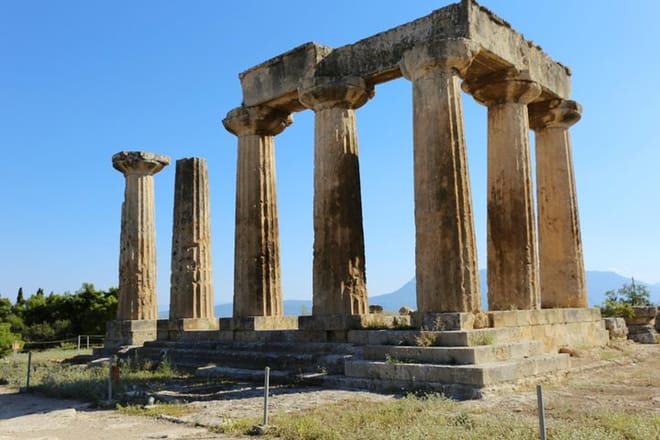
If you have a second or third day, venture beyond Athens. A full-day tour to Ancient Corinth, Mycenae, and Epidaurus connects you to older civilizations—the Bronze Age Mycenaeans predated Classical Athens by a thousand years. Mycenae's Lion Gate and tholos tombs are spine-tingling. The Theatre of Epidaurus is the best-preserved ancient theatre in the world; stand in the orchestra and whisper—every seat can hear you. A half-day option focusing on Corinth alone is ideal if you have only one spare day.
Experience the Byzantine and Christian Museum
Often ignored in favor of Classical sites, this museum houses one of the world's finest collections of Byzantine icons, mosaics, and religious artifacts. The logic of the display—organized thematically rather than chronologically—makes it intellectually rewarding, not just visually stunning. Allow 1.5–2 hours. The museum is in a beautiful neo-Classical mansion in the Vassilissis Sofias area.
Spend an Evening in a Traditional Taverna with Live Music
Authentic bouzouki performances (the stringed instrument central to Greek music) happen in tavernas in Plaka and Gkazi (the arts district). Expect to pay 15–25 euros for a meal and 10–15 euros for a drink minimum; the music and atmosphere are priceless. Performances usually start around 10 p.m. and run late. Order the house wine, sit back, and let the evening unfold. This is where you'll understand Greek hospitality—loud, generous, and genuine.
Tour Local Food Markets and Learn to Cook
The Varvakios Central Market (built 1886) is a sensory assault of color, noise, and flavor—fish stalls, produce vendors, olive oil tasting. Some day tours include a cooking class where you'll prepare mezze (small plates), pasta, and dessert in someone's home kitchen. This bridges the gap between tourist and local: you're learning not just recipes but food philosophy. Markets are busiest on weekday mornings; arrive by 9 a.m.
Catch a Performance at the Odeum of Herodes Atticus
This 2,000-year-old Roman theatre, nestled on the southwest slope of the Acropolis, hosts performances (ballet, theatre, symphony) June–October. Watching a concert with the floodlit Acropolis above you is surreal. Tickets range widely (20–80+ euros depending on the show). Check the Hellenic Festival schedule online; advance booking is essential as shows sell out.
Plan a Longer Journey Through the Peloponnese
If you have 10 days, a structured private tour through the Peloponnese connects Athens to Delphi, Olympia, Sparta, and Crete—the full arc of Greek civilization. This transforms a city visit into a deep-dive into the culture and landscape that shaped Western thought.
Days needed:Three days is the practical minimum—one for the Acropolis/museums, one for neighborhoods and food, one for a day trip or deeper exploration.
Getting around: The Metro is fast and affordable (1.40 euros per ride). Most bucket-list sites are walkable from the city center, though Lycabettus and some museums require travel.
Language: English is widely spoken in tourist areas, but learning 10 Greek words (especially "kalispéra"—good evening—and "efharistó"—thank you) opens doors and hearts.
FAQ
How much time do I need in Athens to see the main sights?
Three days is the practical minimum: one full day for the Acropolis and Acropolis Museum, one for neighborhoods (Plaka, Monastiraki), museums, and food, and one for either Lycabettus Hill, a cooking class, or a day trip to Corinth or Delphi. Many visitors spend 4–5 days and feel they've barely scratched the surface.
Is it safe to visit Athens?
Yes. Athens is a major European capital with standard urban precautions: avoid isolated areas at night, keep valuables secure, and stay aware in crowded markets. Petty theft is the main concern, not violent crime. The city is full of solo travelers, families, and older tourists.
What's the best way to see the Acropolis without massive crowds?
Arrive at opening time (8 a.m.) or visit on a weekday (Monday–Thursday) rather than weekends. December–February is quiet but cold and rainy. Late afternoon visits (4–6 p.m.) in spring/fall offer a good compromise between heat and fewer people.
Should I hire a guide for the Acropolis and museums?
If you speak English and read the museum labels, you can navigate independently. However, a 2–3 hour private guide (typically 80–120 euros, split among 2–4 people) adds context and stories that transform the experience from sightseeing into understanding. Group tours are cheaper (15–30 euros) but less flexible. For a fast guided overview of the essential sites, a morning tour works well.