Yes, Athens is generally safe for solo travellers, particularly in central neighbourhoods and tourist areas. Like any major European capital, common sense and basic precautions will keep you secure. The city welcomes independent visitors year-round, and solo travel here is straightforward and rewarding.
Understanding Athens Safety: The Real Picture
Athens has a solid reputation among solo travellers. Violent crime against tourists is rare. The Greek capital does experience petty theft—pickpocketing on crowded metro lines and in tourist hotspots—but this is manageable through awareness rather than fear.
Tourist police (Touristiki Astynomia) operate dedicated units across central Athens and speak English. The main tourist police office is on Syntagma Square. Most neighbourhoods tourists visit—Plaka, Psyrri, Kolonaki, Gazi—are well-policed and lively, especially in evening hours.
Solo female travellers report feeling safe in Athens. Street harassment exists but is less aggressive than in some Mediterranean cities. Keep your wits about you as you would in London, Barcelona, or Rome.
Experience it yourself
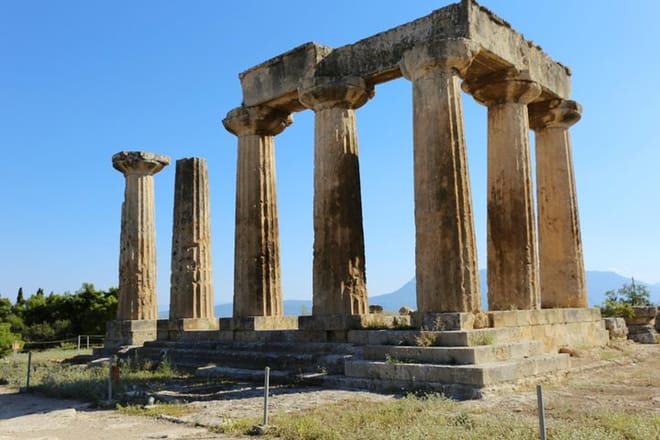
3 Days Private Tour: Kalavrita - Olympia - Mycenae - Epidaurus & Corinth
Plaka: The old town beneath the Acropolis. Atmospheric, walkable, touristy. Safe day and night, though crowded. Prices are inflated for the area.
Psyrri: Artsy, bohemian quarter with street art, independent cafés, and vintage shops. Popular with solo travellers and young professionals. Good nightlife; safe and well-lit at night.
Kolonaki: Upscale residential area with boutique hotels, quality restaurants, and a local (rather than tourist) vibe. Excellent for solo travellers wanting a more authentic experience. Very safe.
Gazi: Former industrial area converted into a cultural hub. Galleries, nightclubs, and foodie spots. Trendy and safe, though livelier after dark.
Avoid: Omonia and Victoria squares, particularly after dark. These areas have higher concentrations of street-level issues and are less patrolled. Exarcheia, while culturally interesting, has a history of political unrest and is best visited during the day with local guidance.
Metro, Taxis & Transport Safety
Athens public transport is cheap, efficient, and generally safe. The metro is the fastest way around the city. Keep bags zipped and close during peak hours—morning rush and afternoon commute times see crowding where pickpockets operate. Pickpocketing is the main risk; violent crime on public transport is exceptionally rare.
Buy tickets from kiosks or machines before boarding (€1.40 for a single journey or €4.50 for a day pass). Inspectors board randomly; fines for fare evasion are steep.
Taxis are reliable. Use white taxis with working meters, or better still, book through apps like Beat (the local Uber alternative). Agree on fares or ensure the meter is running. Night taxis are safe; drivers are professional and well-regulated.
Walking is your best bet in central areas. Athens is very walkable, and exploring on foot lets you absorb the city's rhythm. Stick to well-lit, populated streets at night.
Money & Theft Prevention
Carry two payment methods—a card and modest cash. Most cafés, restaurants, and shops accept cards, but small tavernas, markets, and street vendors want cash (euros).
Pickpocketing hotspots: Syntagma Square, the metro during rush hours, Plaka's most crowded streets, and the Acropolis area. Don't leave bags unattended. Use a crossbody bag or small backpack worn in front in crowded places. Leave valuables in your accommodation safe.
ATMs are abundant and safe to use during daylight. Avoid withdrawing large sums or using isolated machines at night. Greek banks charge minimal fees for foreign card withdrawals.
Solo Female Travellers: Additional Considerations
Solo women feel comfortable in Athens, though everyday attention from men is normal. Street harassment is usually low-level (unwanted comments or stares) rather than physical. Dress modestly in religious sites (knees and shoulders covered); elsewhere, dress as you would in any European city.
Visit the things to do in Athens include major museums and archaeological sites where you'll find well-maintained facilities and female-friendly environments. Many solo female travellers choose an Athens by night private tour for evening exploration with a local guide, adding comfort and context.
Women-focused hostels and boutique hotels are available if community appeals to you. Airbnb hosts tend to be welcoming to solo travellers.
Practical Safety Tips
Keep copies of documents: Store passport scans separately from the original. Register with your embassy if travelling for extended periods.
Stay aware of your surroundings: Don't be paranoid, but notice who's around you on the metro or in crowded spaces. Move away if you feel uncomfortable.
Share your itinerary: Tell someone at home your rough plans and check in periodically.
Avoid excessive alcohol in unfamiliar settings: Stay alert, especially at night. Drink-spiking is rare but possible in very touristy bars.
Learn basic Greek phrases: Knowing "Kalispéra" (good evening) and "Efharistó" (thank you) builds rapport with locals and can help in tight situations.
Trust your gut: If a person, place, or situation feels off, remove yourself.
Health & Emergency Contacts
Athens has excellent healthcare. Pharmacies (marked with a green cross) are ubiquitous and staff speak English. Bring any prescription medications in original packaging.
Travel insurance is recommended, though not mandatory for EU citizens. Ensure it covers medical evacuation and theft.
Best Times to Visit & Getting Oriented
Check out the best time to visit Athens for seasonal considerations. April–May and September–October offer ideal weather and fewer crowds than summer. Summer (July–August) is hot, crowded, and pricey; many locals leave the city.
Winter (November–February) is mild, quiet, and budget-friendly but rainy. Spring is magical.
Your first 48 hours matter. Stay in central Plaka or Psyrri to ease into the rhythm. Walk the Acropolis area by day. Grab a frappe (Greek iced coffee) at a café and people-watch. Visit a local taverna for dinner. By day two, you'll feel comfortable navigating solo.
Athens rewards solo travellers. The city is approachable, affordable, and endlessly interesting. Thousands of independent visitors navigate it safely every year. You will too.
FAQ
Is it safe to walk around Athens at night?
Yes, in tourist and residential neighbourhoods like Plaka, Psyrri, and Kolonaki. Stick to main streets and well-lit areas. Avoid Omonia and Victoria squares at night. Use your normal urban instincts—don't wander into isolated side streets alone late at night.
What's the biggest safety risk for solo travellers in Athens?
Pickpocketing, not violent crime. It happens on crowded metro lines, in Syntagma Square, and in Plaka during peak tourist season. Keep bags secure, zipped, and in front of your body on public transport. Don't leave belongings unattended in cafés or on beaches.
Do I need travel insurance for Athens?
It's strongly recommended, even if not legally required. Insurance covers medical emergencies, theft, and trip cancellations. Costs are modest (€20–40 for two weeks) and worth the peace of mind, especially if you're travelling solo and far from home.
Are there areas of Athens I should definitely avoid?
Avoid Omonia and Victoria squares after dark, and parts of Exarcheia without local guidance. These areas have lower tourist presence and higher petty crime. The rest of central Athens—where most solo travellers spend time—is very safe by European standards.