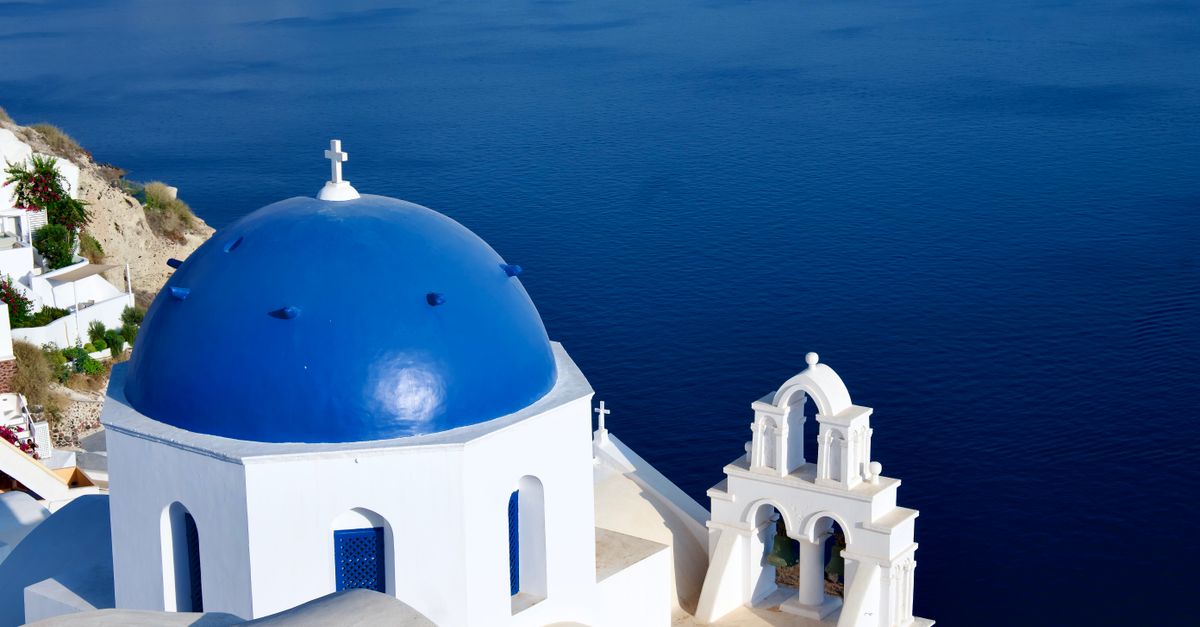
Yes, Santorini can be visited affordably—but you'll need to skip peak season, choose budget accommodation outside Oia, and eat where locals eat. Budget travellers should expect €40–60 per day for mid-range comfort, while ultra-budget options drop to €25–35 daily if you're disciplined.
Understanding Santorini's Real Costs
Santorini has earned a reputation as Greece's most expensive island, largely because it markets itself to luxury tourists and high-season visitors. However, costs vary dramatically by season and location. In summer (June–August), a basic hotel room in Fira or Oia runs €80–150+ per night; in winter, the same room costs €30–50. A meal at a caldera-view taverna costs 2–3 times more than an identical meal in a backstreet restaurant in Kamari or Perissa.
The key insight: Santorini isn't inherently expensive; high prices are concentrated in specific neighborhoods, specific months, and specific views. Smart budget travellers shift at least one of these variables.
Budget Accommodation: Where to Stay for Less
Accommodation is your largest expense. The famous white-and-blue cliffside hotels in Oia, Fira, and Firostefani charge €100–300+ per night even in shoulder season. Instead:
Choose the eastern beaches (Kamari, Perissa). These working towns lack the caldera view premium. Rooms cost €30–50 in low season, €50–80 in summer. Kamari has pebble beaches, tavernas, and a young backpacker vibe; Perissa is quieter. Both are 15–20 minutes by bus from Fira.
Stay in Akrotiri, Megalochori, or Pyrgos. These inland villages are 10–15 minutes from beaches and towns, cost €25–45 per night, and offer authentic Greek life. Pyrgos, perched on a hilltop, has local restaurants and none of the tourist markup.
Use Airbnb or local room-rental sites. Studio apartments with kitchenettes (€35–60) let you buy groceries from supermarkets and eat breakfast at home—a saving of €5–10 daily.
Book in shoulder seasons (April–May, September–October). Prices drop 30–40% compared to summer, weather remains excellent, and crowds thin out. See our guide on the best time to visit Santorini for month-by-month pricing and conditions.
Food: Eating Well Without Tourist Prices
A sit-down meal at a caldera-view restaurant costs €15–25 per person before drinks. The same meal—identical ingredients, same quality—costs €8–12 in a backstreet taverna.
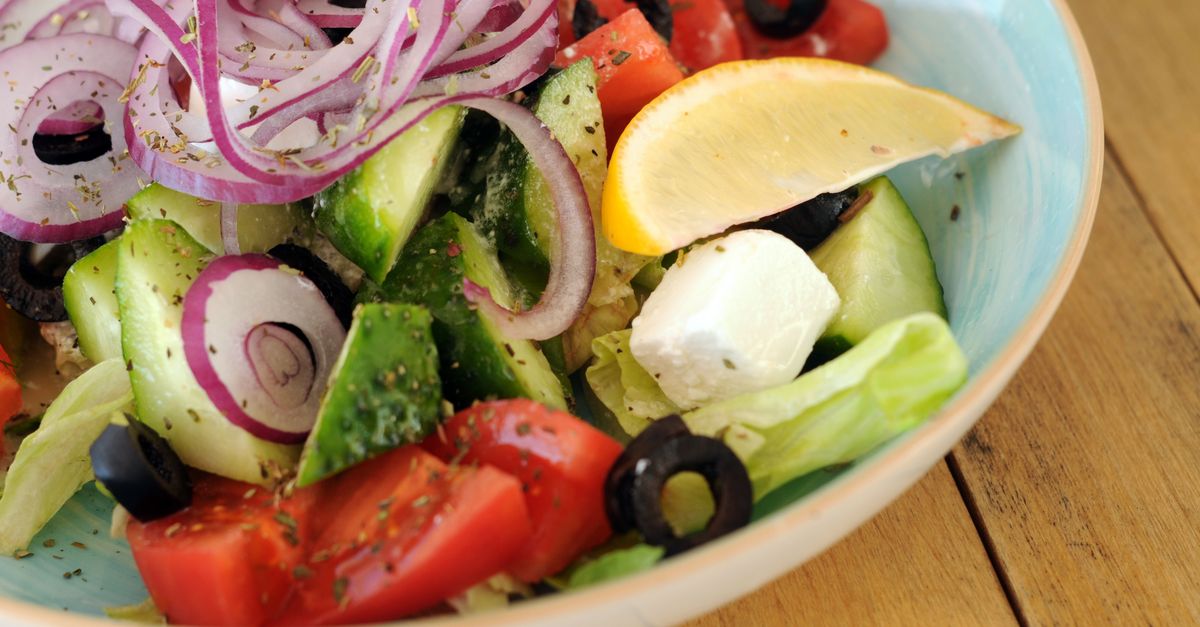
Eat where locals eat. In Fira's main town square and side streets, away from the clifftop restaurants, you'll find traditional tavernas charging €8–12 for a main course. The same applies to Kamari, Perissa, and Megalochori. Ask your accommodation owner for recommendations; locals know the honest places.
Buy groceries for breakfast and picnic lunches. A supermarket breakfast (bread, cheese, tomato, yogurt, fruit) costs €3–5. A picnic lunch from a bakery and supermarket is €4–7. This frees you to spend on one proper dinner.
Order the daily special (plato tis imeras). Greek tavernas display a chalkboard menu of seasonal dishes cooked in bulk—often 30% cheaper than à la carte, and always fresh.
Skip bottled water; order tap water (nero tis vrefsi). Bottled water at tourist restaurants costs €2–4 per bottle; tap water is free and safe throughout the island.
Eat lunch as your main meal. Many tavernas serve lunch menus at lower prices than dinner, and portions are the same.
Activities and Sightseeing on a Budget
Free or cheap activities:
Watch the sunset from Oia town. It's free, crowded, and iconic. Arrive by 5 p.m. in summer to claim a spot; bring water and sunscreen.
Swim at Kamari or Perissa beaches. No entry fee; bring your own snacks to avoid beach-bar markup.
Hike the caldera rim (Fira to Oia). A 10 km trail takes 4–5 hours, costs nothing, and offers views most tourists pay boat tours to see. Start early (7 a.m.) to avoid midday heat.
Visit Akrotiri archaeological site. €6 entry; explore a Minoan city buried by volcanic ash. Open year-round; allow 1.5 hours.
Explore the volcanic beaches. Black-sand beaches at Perissa and Kamari are free. The red-sand beach near Akrotiri also has free access to the sand (though beach bars charge for loungers).
Paid activities worth the cost:
Volcano and hot-springs boat tour: €25–40. These depart from Amoudi port (Oia) or Fira port. Standard tours include visits to Nea Kameni (volcanic island), Palea Kameni (hot springs), and Thirassia. Compare prices at the port; tours are competitive.
Local bus pass: €1.80–2.20 per journey. A 10-journey pass costs around €18. Buses connect all major towns; no tourist markup.
For structured activities, browse our hub of things to do in Santorini to compare cost-to-experience ratio.
Transport: Getting Around Cheaply
Santorini is small (25 km long), so transport costs are naturally low if you use public buses. Avoid taxis (€15–30 for short journeys) and rental scooters (€20–40 daily plus fuel and insurance risk).
Buy a bus pass. A 10-journey pass costs ~€18 and works on all KTEL buses island-wide. Single journeys cost €1.80–2.20 depending on distance.
Walk between nearby towns. Fira to Firostefani is 15 minutes on foot; Kamari to Perissa is 10 minutes. You'll discover side streets and local tavernas missed by tourists.
Rent a bicycle. €8–15 daily for a basic bike. Useful for exploring Kamari, Perissa, and flat inland villages; less practical for steep clifftop towns.
Activities (one paid activity every 2–3 days average): €3–5
Daily total: €62–66
In summer or Oia/Fira cliffside locations, costs roughly double or triple.
How Long Should You Stay?
We recommend 2–3 days minimum in Santorini. This covers the caldera hike, a volcano/hot-springs boat tour, beaches, and town exploration. Longer stays (4–5 days) let you skip peak-hour crowds and explore quieter spots like Pyrgos, Vothon, and Tinos by day trip.
Money-Saving Checklist
Book accommodation in Kamari, Perissa, Pyrgos, or Megalochori, not Oia.
Travel in April–May or September–October.
Buy a 10-journey bus pass on arrival.
Eat breakfast and lunch cheaply; spend on one good dinner.
Hike the caldera rim instead of paying for a viewpoint restaurant.
Skip bottled water; drink tap water.
Use Airbnb with a kitchenette to cook some meals.
Ask locals for taverna recommendations; avoid places with picture menus and English-speaking touts.
FAQ
Is Santorini affordable in winter?
Yes. November to March, accommodation costs €25–50 per night, restaurants are empty (better prices and authentic service), and you'll see fewer tourists. Trade-off: shorter days, occasional rain, and some businesses close. The caldera views are often misty rather than crystalline blue.
Can you visit Santorini on €30 per day?
Possible but tight. You'd need to stay in a budget hostel (€15–20 dorm), eat almost entirely from supermarkets (€8–10 daily), and minimize paid activities. Realistic budget is €40–50 daily for reasonable comfort.
What's the cheapest month to visit?
November and February–March are cheapest, with rooms at €25–40 and restaurants discount-pricing for locals. January is also cheap but cold (50–55°F) and windy. For the best balance of price, weather, and open businesses, choose April–May or September–October.
Do you need to rent a car or scooter in Santorini?
No. Public buses are frequent, cheap, and cover all major towns and beaches. A scooter or car adds €20–40 daily in rental costs, plus petrol and parking. Buses are slower but are part of the authentic travel experience and let you relax rather than navigate narrow, cliff-edge roads.