Yes—but it depends on what you want from a trip. Athens is absolutely worth visiting if you're interested in ancient history, Mediterranean food culture, and urban exploration. However, it's crowded, expensive by Balkan standards, and the heat in summer is intense. If you're seeking pristine beaches or quiet villages, the Greek islands are better. If you want to walk through 2,500 years of civilization while eating excellent food and drinking wine in rooftop bars overlooking the Acropolis, Athens delivers.
What Makes Athens Worth Your Time
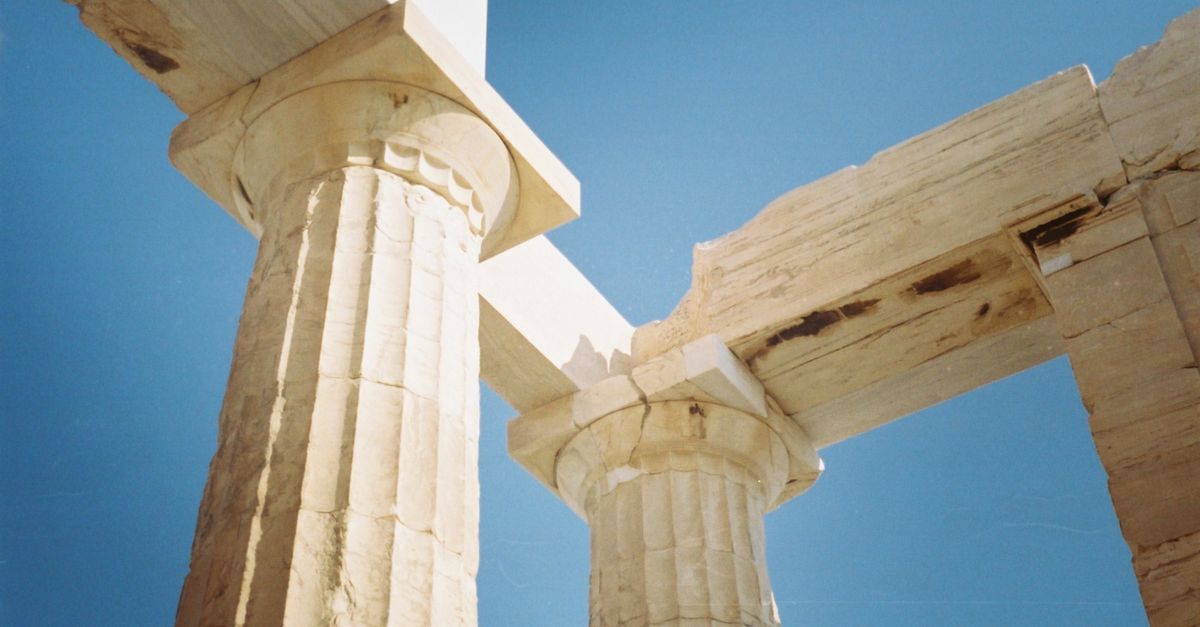
Athens is one of the few cities where you can stand in front of structures older than most countries. The Parthenon isn't just a tourist photo op—it's genuinely breathtaking, especially at dawn or dusk when the crowds thin and the light turns golden. The Acropolis Museum is world-class, and the journey from the classical to the Byzantine to the Ottoman to the modern city layers itself visibly beneath your feet.
Beyond ancient sites, Athens has become a genuine food destination. The restaurant scene has evolved dramatically in the last decade. You'll find everything from hole-in-the-wall tavernas serving horta (boiled greens) and grilled octopus to Michelin-starred restaurants experimenting with Greek ingredients. Street food—souvlaki, loukoumades, Greek coffee—remains cheap and excellent. The neighborhood of Psyrri and the Central Market (Varvakios Agora) pulse with local life in ways most tourist sites don't capture.
The city's nightlife is also distinctly Athenian. Rooftop bars in Plaka offer views most cities would charge a premium for. Live rebetiko (Greek blues) music still happens in old tavernas. The energy feels authentic, not staged for tourists.
Experience it yourself
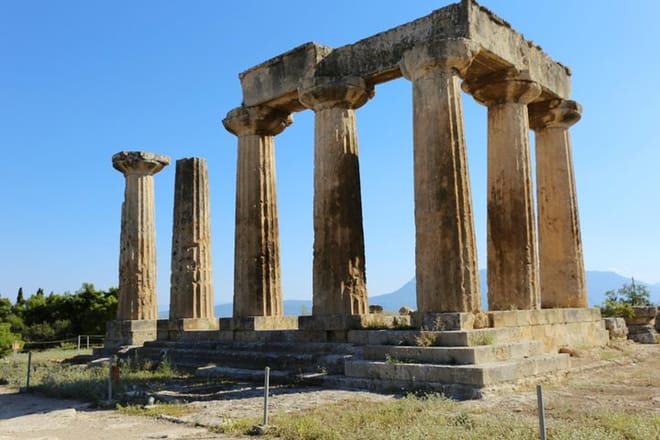
3 Days Private Tour: Kalavrita - Olympia - Mycenae - Epidaurus & Corinth
Don't arrive expecting a clean, orderly European capital. Athens is chaotic. Graffiti covers many walls. The summer heat (July–August regularly exceeds 35°C/95°F) can be brutal, and many locals leave the city during these months. Pickpocketing is a real concern in crowded areas and on public transport—stay alert, keep bags in front, and avoid obvious displays of wealth.
Prices have risen sharply since the pandemic. A simple taverna meal now costs 12–18 euros; a cocktail in a tourist bar, 12–15 euros. Accommodation ranges from 60 euros for a budget hostel to 200+ for mid-range hotels. This is reasonable for a European capital, but expensive compared to the rest of Greece.
The main archaeological sites—Acropolis, Ancient Agora, Parthenon—are heavily crowded, especially 10am–4pm. Queue times for tickets can exceed 30 minutes in peak season. Many visitors feel herded rather than inspired. The city's infrastructure groans under tourist pressure.
If you're seeking authentic Greek village life or island serenity, Athens will feel overwhelming and commercial. The city is relentlessly urban.
Practical Logistics: How to Visit Smart
When to go: April–May and September–October are ideal. Weather is warm (20–28°C) but not crushing. Crowds are moderate. November through March bring rain and cooler temperatures (10–15°C), but prices drop and the city feels less touristy. Avoid July and August unless you love extreme heat.
How long to stay:Three days is the minimum if you want to see the major sites without rushing (Acropolis, Ancient Agora, National Museum, at least two neighborhoods). Four to five days allows breathing room to actually enjoy the food, sit in cafes, and join a guided tour outside the city. Two days feels cramped; a week risks repetition unless you're deeply into archaeology.
Budget reality: See Athens on a Budget for detailed costs. A realistic budget: 40–60 euros daily for budget travelers (hostels, street food, free walking tours), 80–150 for mid-range (3-star hotels, tavernas, paid tours), 200+ for comfort. The Acropolis and major museums each cost 12–20 euros entry.
Logistics: Athens International Airport (ATH) is 35km east. Metro (€10 return), bus (€6 return), or taxi (€40–50) reach the city center in 30–60 minutes. The Metro and bus system is cheap (€1.40 per ride, €4.50 daily pass) but aging and sometimes crowded. Walk where possible; many neighborhoods are best explored on foot.
What to Actually Do in Athens
Beyond the Acropolis, explore the neighborhoods. Plaka is touristy but charming, with narrow streets and tavernas. Psyrri and Gazi are grittier, with street art, galleries, and younger crowds. Exarheia is bohemian and political, with used bookshops and radical graffiti. Kolonaki is upscale, with designer shops and expensive cafes.
For things to do in Athens, consider a guided Athens By Night Private Tour to experience the city as locals do—eating dinner at a family-run taverna, watching the Acropolis light up, hearing stories from someone who actually lives here.
Athens is worth visiting if you love history, food, and urban energy. It's not worth visiting if you want peace, pristine beaches, or a polished European experience. Most travelers find it rewarding in three to five days—long enough to enjoy the sites and the food scene, short enough to avoid fatigue from the chaos and heat. Come with realistic expectations, book tickets in advance, stay in a central neighborhood, and eat where locals eat. You'll have a genuinely memorable time.
FAQ
Is Athens safe for tourists?
Athens is generally safe, with no serious violent crime against tourists. The main risks are pickpocketing in crowded areas (metro, markets, tourist sites) and occasional traffic. Stay alert, keep valuables secure, and avoid walking alone very late at night in poorly lit areas. Standard city travel sense applies.
Do I need to speak Greek?
No. English is widely spoken in hotels, restaurants, and tourist areas. Learning a few phrases ("kalispéra"—good evening, "efharistó"—thank you) is polite and appreciated, but you can navigate Athens entirely in English.
Can I visit Athens on a tight budget?
Yes, but it requires discipline. Eat from street vendors and local tavernas instead of tourist restaurants. Use the metro and buses. Book Acropolis tickets online to skip queues. Stay in a budget hostel or Airbnb outside the center. Many museums have free or reduced-price evenings. Budget travelers report spending €40–50 daily; see our budget guide for specifics.
Should I rent a car in Athens?
No. Traffic is chaotic, parking is scarce and expensive, and public transport plus taxis/rideshare cover the city efficiently. Rent a car only if you're doing day trips to islands or the Peloponnese. Within Athens, walk or use the metro.