The Most Common Mistakes Travellers Make in Athens—and How to Avoid Them
Athens is magnificent but unforgiving to unprepared visitors. Many travellers arrive expecting a relaxed Mediterranean escape and instead find themselves sweltering in August crowds, overpaying for mediocre meals in tourist traps, or missing the sites that actually matter because they didn't plan their time. The good news: nearly every major Athens mistake is preventable with honest, practical advice.
Visiting in Peak Summer Without a Strategy
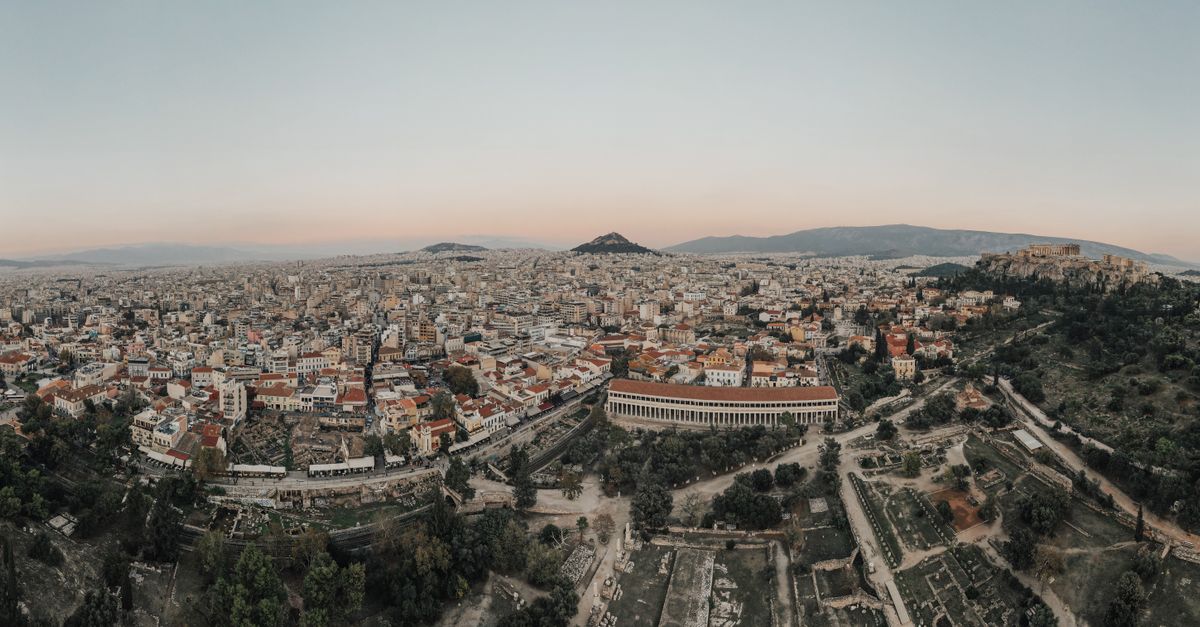
July and August are brutal. Temperatures regularly exceed 38°C (100°F), the Acropolis is packed shoulder-to-shoulder by 10 a.m., and every street in Plaka becomes a shuffling queue. Hotel prices triple, and you'll wait 45 minutes for a coffee.
What to do instead: Visit in May, June, September, or October. The weather is warm but manageable, crowds are 60% lighter, and prices drop noticeably. If you must go in summer, arrive at major sites by 7:30 a.m., take a long midday break in an air-conditioned museum or café, and return in the evening. Read more in our guide on the best time to visit Athens.
Experience it yourself
3 Days Private Tour: Kalavrita - Olympia - Mycenae - Epidaurus & Corinth
The Acropolis, Acropolis Museum, National Archaeological Museum, ancient Agora, Temple of Olympian Zeus, and Panathenaic Stadium cannot be seen meaningfully in six hours. Travellers who rush through Athens end up with a slide show rather than an experience, and they miss the neighbourhoods where real Athenian life happens.
What to do instead: Plan for 3–4 full days. This gives you time to see the major archaeological sites without sprinting, explore Plaka and Monastiraki properly, take an evening walk to Lycabettus Hill, visit at least one neighbourhood café, and perhaps take a day trip. Our guide on how many days you need in Athens breaks down realistic itineraries.
Eating Where the Tourist Posters Are
If a restaurant has a giant photo board of food outside with a staff member actively inviting you in, the prices are inflated and the quality is low. This is true everywhere, but it's especially punishing in Plaka, where a mediocre €15 souvlaki might be the highlight of your meal.
What to do instead: Walk two blocks away from the main pedestrian streets. Eat where locals eat. Look for small tavernas without English menus displayed prominently. The Psyrri neighbourhood, Exarcheia, and the side streets of Gazi have excellent, honest restaurants at fair prices. Ask hotel staff for neighbourhood recommendations—they know the real spots.
Not Buying an Athens Combined Ticket
Buying individual entry tickets to the Acropolis, Acropolis Museum, Temple of Olympian Zeus, and other sites costs €50–60 per person. The official combined ticket (valid 5 days) costs around €30 and covers all the major archaeological sites.
What to do instead: Buy the combined ticket online or at any participating site on your first day. It's one of the few genuinely good deals in Athens tourism. Check the official Hellenic Ministry of Culture website for current prices and which sites are included.
Skipping Neighbourhoods Beyond the Acropolis
Many visitors never leave the tourist triangle of Syntagma–Plaka–Acropolis. They miss the entire character of Athens.
What to do instead: Spend an afternoon in Gazi (hipster cafés, street art, contemporary galleries), Exarcheia (bohemian, student-friendly, excellent food), or Anafiotika (a hidden hillside quarter with narrow lanes and sea views). Take the Athens By Night Private Tour to see the city's energy after sunset, or explore things to do in Athens beyond the guidebook standard.
Underestimating the Importance of Comfortable Shoes
Athens is built on hills. The streets are mostly narrow, chaotic, and either climbing or descending. Blisters from poor footwear can ruin a trip faster than anything else.
What to do instead: Wear broken-in, supportive walking shoes—not sandals or new trainers. The cobblestones in Plaka will destroy your feet otherwise. Bring a light backpack or crossbody bag, not a rolling suitcase (the streets are too narrow and uneven).
Not Booking Popular Sites in Advance
The Acropolis Museum and Acropolis can sell out, especially in June, July, and August. Walk-up tickets may not be available, or you'll wait in line for two hours.
What to do instead: Book timed entry online at least one day ahead. It's free to book and takes five minutes. This also guarantees you'll get in during the cooler morning or evening hours if you plan correctly.
Getting Lost and Missing Public Transport Options
Athens' metro, tram, and bus system is confusing if you're new, but it's cheap and reliable. Many visitors rely on taxis instead and overpay by 2–3x.
What to do instead: Buy a rechargeable Athenation card at the airport metro station or any Metro stop (€10 for card + €20 credit). Use it on all public transport. Download the MyCityPass Athens app for real-time bus and metro information. A single journey costs €1.40; a day pass is €4. The metro is fast, safe, and efficient.
Assuming Everything Closes in August
Yes, some small family-run restaurants close for two weeks in August. But major museums, supermarkets, and tourist services stay open. This is a myth that shouldn't change your travel dates if summer is your only option.
What to do instead: Check specific restaurants or attractions you want to visit before booking. Most won't be closed. Focus on visiting early morning or late evening to beat the heat.
Not Trying Local Food Properly
Many tourists stick to souvlaki and moussaka. Greek food is far more diverse and regional than this.
What to do instead: Try saganaki (fried cheese), horta (boiled greens with lemon), octopus on the grill, tzatziki with fresh bread, and pastitsio. Visit a traditional psarotaverna (fish taverna) and ask what came in that morning. Spend time in the central markets (Varvakios Agora) to see what real Greek cooking looks like. Check our Athens on a Budget guide for affordable food recommendations.
Expecting Fast WiFi and Card Payments Everywhere
Many small tavernas, corner shops, and street vendors in Athens only accept cash. WiFi in some neighbourhoods is slow or non-existent.
What to do instead: Carry cash (€100–150) at all times. Withdraw from ATMs in the city centre or major Metro stations, not from street machines (fees are lower at banks). Have a backup portable charger for your phone. Most restaurants and major shops accept cards, but don't assume it.
Taking a Multi-Day Trip Without a Clear Route
If you're staying 4+ days, consider a day trip or overnight excursion. The day trips from Athens are world-class: Delphi, the Peloponnese, the Kalavrita railway.
Athens is generally safe, but pickpocketing on crowded Metro lines, at the Acropolis, and in Plaka is real. Overnight bag theft from parked cars happens in some neighbourhoods.
What to do instead: Keep valuables in a hidden money belt or hotel safe. Don't leave bags unattended on beaches or cafés. Avoid empty Metro cars late at night. Stay aware but not paranoid—millions of tourists visit Athens safely every year.
FAQ
What's the biggest mistake first-time visitors make in Athens?
Not arriving early at major sites or visiting during peak summer. The Acropolis and its museums are best experienced early morning (before 9 a.m.) or late evening, when crowds are manageable and it's cooler. Visiting in July or August makes everything more expensive, crowded, and exhausting.
Is it worth buying the Athens combined ticket?
Yes, absolutely. At around €30 for 5 days of access to the Acropolis, Acropolis Museum, Temple of Olympian Zeus, and other major sites, it saves €20–30 compared to buying individual tickets. It also gives you flexibility to revisit sites without extra cost.
How do I avoid tourist traps in Athens?
Eat where locals eat (away from Plaka's main streets), book sites in advance to avoid overpriced tour operators, use public transport instead of taxis, and spend time in less famous neighbourhoods like Gazi and Exarcheia. Walk beyond the immediate tourist zone—real Athens is only 5 minutes away.
What's the best time to visit Athens?
May, June, September, and early October offer warm weather, manageable crowds, and lower prices. July and August are hot, crowded, and expensive. Winter (November–February) is mild but can be rainy, though it's peaceful and authentic.