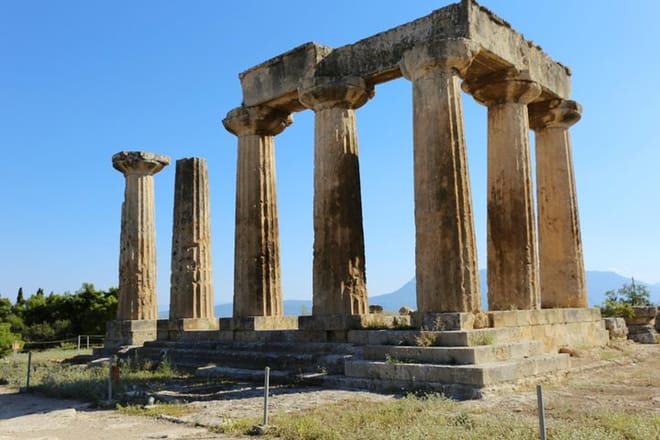
Whether you're planning your first visit to Greece's ancient capital or returning for a deeper dive, Athens sparks the same recurring questions: Is it safe? How much will it cost? What's actually worth seeing beyond the Acropolis? We've compiled the answers that matter most to travellers.
What Are the Must-See Sights in Athens?
The Acropolis and Parthenon dominate Athens for good reason—they're extraordinary—but the city rewards curiosity beyond the obvious. Start with the Acropolis complex itself, including the Erechtheion and Temple of Athena Nike. Then descend into the Acropolis Museum, where artefacts and a glass floor showing excavations below make ancient history tangible.
The Ancient Agora and Temple of Hephaestus offer quieter contemplation than the crowded Acropolis. The Panathenaic Stadium, where the first modern Olympics were held in 1896, is often overlooked but striking. For something different, explore Plaka's winding streets, the National Archaeological Museum (one of Europe's finest), and the Modern Art Museum.
Consider booking a best of Athens in a fast tour if your time is tight; a guide cuts through logistical confusion and queues significantly.
Experience it yourself
3 Days Private Tour: Kalavrita - Olympia - Mycenae - Epidaurus & Corinth
Is Athens Safe? What Should I Know About Pickpocketing and Crime?
Athens is generally safe for tourists, with standard urban precautions applying. Petty theft—pickpocketing on crowded metro lines and in Plaka—is the main concern, not violent crime. Avoid displaying expensive cameras, keep bags zipped and in front of you on public transport, and be extra vigilant at Omonia station and the flea market on Sundays.
Police presence is visible around major monuments. Solo travellers, both men and women, report feeling safe walking at night in well-lit central areas like Syntagma and Kolonaki, though common sense applies everywhere. Emergency number: 100.
When Is the Best Time to Visit?
April to May and September to October are ideal. Temperatures sit between 20–28°C, crowds are manageable, and you'll actually enjoy walking around. July and August bring 35°C+ heat, astronomical prices, and suffocating tourism at major sites. December to February is cool and rainy but cheap; many minor sites close one day per week.
Two days covers the essentials—Acropolis, Agora, Acropolis Museum, and a neighborhood stroll. Three to four days lets you add the National Archaeological Museum, day trips to nearby sites, and genuine breathing room. Five or more days opens up ancient Corinth, Mycenae, and Epidaurus as feasible day trips, or a slower exploration of neighbourhoods like Gazi and Exarcheia.
Budget-conscious travellers spend €40–60 per day (basic accommodation, cheap eats, free walking tours). Mid-range visitors budget €80–150. Luxury travellers spend €200+. A frappe (iced coffee) costs €3–5, a kebab €5–7, a nice dinner €12–20. Museum entry ranges from free (some archaeological sites on certain Sundays) to €12–15.
Acropolis tickets are roughly €20–25 (depending on season and combo deals). The Athens public transport card (10 journeys) costs about €13. Accommodation ranges wildly: hostels €15–25/night, mid-range hotels €50–100/night, boutique hotels €120+/night.
The Metro is clean, efficient, and reaches most tourist areas. Buses are frequent but crowded during rush hours. Trams connect the city centre to the southern coast. A single journey ticket costs €1.40; a day pass is roughly €5. Validate your ticket on entry—inspectors fine €48 for dodging.
Taxis are cheap (€10–15 within central Athens) but use the metre or agree on a price beforehand. Ride-sharing apps like Beat (Greece's Uber) and Bolt operate reliably.
Do I Need to Speak Greek?
Not at all. English is widely spoken in hotels, restaurants, and tourist areas, especially by younger Greeks. In smaller local tavernas and outside the centre, you might encounter less English, but patience and a translation app suffice. Learning basic courtesies (kalimera for good morning, efharisto for thank you) is appreciated and opens doors.
What Should I Eat? Any Local Specialties?
Don't miss souvlaki (grilled meat skewers), moussaka, Greek salad with feta and olives, saganaki (fried cheese), and pastitsio. Breakfast is often just a frappe and a loukoumades (honey puffs). Street food is excellent and cheap—souvlaki for €5, gyros for €4. Local tavernas in residential neighbourhoods like Psyrri or Gazi offer authentic food at half tourist-zone prices.
Retsina (pine-resin wine) is an acquired taste; locally produced barrel wine and Greek coffee are safer bets.
Where Should I Stay?
Plaka is touristy but central and charming, though noisy at night. Syntagma is business-focused but convenient. Psyrri and Gazi offer grittier, artsy vibes with excellent restaurants and nightlife. Kolonaki is upscale and residential. Monastiraki is lively but chaotic. Stay near a Metro station for ease.
Can I Day-Trip Beyond Athens?
Absolutely. Delphi (2.5 hours north) is one of Greece's most important archaeological sites. Epidaurus and ancient Corinth (both 1.5–2 hours south) are doable day trips. For a comprehensive experience, consider a 10-day Peloponnese private tour that weaves Athens into a broader regional journey. The port town of Nafplio is also accessible and charming.
What About Day Trips to the Islands?
Hydra, Aegina, and Poros are reachable by fast ferry (45 minutes to 1.5 hours) from Piraeus port. These make pleasant half- or full-day escapes. Note: ferries are frequent in summer but sparse in winter, and sea conditions can cause cancellations.
FAQ
Is Athens Expensive Compared to Other Greek Cities?
Athens is pricier than rural Greece or smaller islands, but cheaper than major Western European capitals. A meal in central Athens costs more than in a provincial town, but public transport and some museums offer excellent value. Off-season (Nov–Mar) prices drop significantly.
How Do I Get from the Airport to the City Centre?
The Metro (Line 3) runs directly from Athens International Airport to Syntagma Square (about 40 minutes, €10 one-way). Buses and taxis are also available. Avoid airport shuttles unless you're staying outside the centre; they're unnecessary for most travellers.
What's the Dress Code for Visiting Religious Sites?
Dress respectfully at monasteries and churches: cover shoulders and knees. Women are sometimes asked to wear headscarves. The Acropolis has no dress code, though comfortable walking shoes are essential on uneven ancient stones.
Is Tap Water Safe to Drink?
Yes, Athens's tap water is safe and drinkable, though many locals prefer bottled water. Bottled water is cheap and widely available. Stay hydrated—the summer heat is intense and dehydration sneaks up.