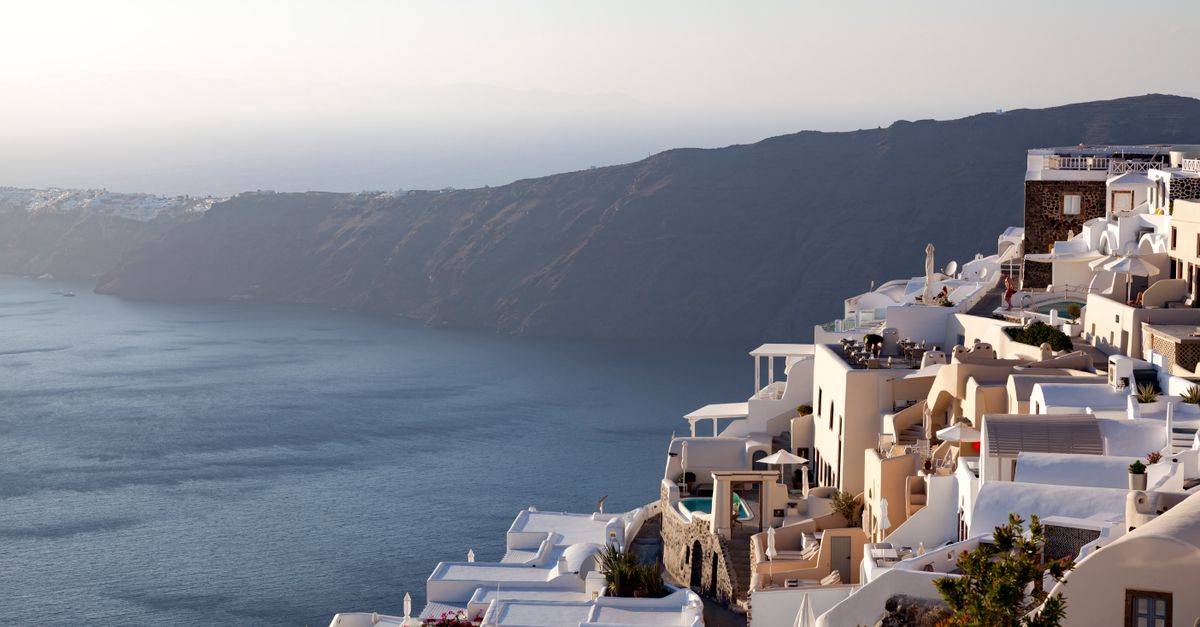
Santorini is a stunning crescent-shaped island in the Aegean Sea, famous for its white-washed buildings, blue-domed churches, and dramatic caldera views—but arriving without a plan can mean crowded main squares and tourist-trap restaurants. This guide cuts through the hype and tells you what actually matters for your first visit.
What Makes Santorini Special
Santorini's iconic look comes from a real geological event: a massive volcanic eruption around 1600 BCE created the caldera (a sunken volcanic crater now filled with seawater) you see today. The island's steep cliffs, black-sand beaches, and mineral-rich soil that produces excellent local wine are all legacies of this eruption. Unlike typical Greek islands with flat coastlines, Santorini feels almost otherworldly—which is why it appears in thousands of Instagram posts every day.
The main appeal for first-timers is straightforward: dramatic scenery, excellent food, and manageable size. You can see most of the island in 2–3 days without rushing.
Where to Stay: Oia, Fira, and Beyond
Oia is the postcard version of Santorini—narrow streets, blue-domed churches, sunset views from the cliffs. It's also the most crowded and expensive. If you're here for that classic photo, arrive by 6 p.m. in summer to claim a sunset-viewing spot; if you arrive at 7 p.m., you'll be elbowing through tour groups.
Fira, the capital, sits on the caldera's eastern rim. It's less picturesque than Oia but livelier, with better restaurants, shops, and nightlife. From here, you can walk to Imerovigli (quieter, also on the rim) in 20 minutes.
Perivolos and Kamari, on the east coast, offer beach access and a more local atmosphere—useful if you want to swim and eat fresh fish without dodging crowds. They're 15–20 minutes from Fira by car.
The Caldera views are free and everywhere—walk the rim from Fira to Oia (about 1.5 hours, mostly flat) for unobstructed horizons and fewer people than the main towns.
Akrotiri archaeological site, on the south coast, preserves a Minoan settlement buried by the 1600 BCE eruption. It's less crowded than Delphi and genuinely fascinating if you care about history. Budget 1–2 hours and go early (before 11 a.m. in summer).
Red Beach and Black Beach are formed by volcanic rock. Red Beach, near Akrotiri, is scenic but small and gets packed; Black Beach (Kamari and Perivolos) is larger, with tavernas and calm water ideal for swimming.
Wine tasting is worth your time. Santo winery and Venetsanos have good reputations and caldera views. Most tastings cost €15–25 and include 3–4 local wines and food pairings.
For a structured overview of things to do in Santorini, consider booking a half-day tour if you're short on time.
Eating Well on Santorini
The island's volcanic soil produces exceptional tomatoes, capers, and white eggplants. Fava (a yellow split-pea dip), saganaki (fried cheese), and grilled octopus are local signatures—order them everywhere.
Skip restaurants with picture menus and staff at the door. Eat where locals eat: small family tavernas in Fira's back streets, or beachfront spots in Kamari and Perivolos where fishermen supply the catch. A good meal costs €12–20 per person; tourist traps charge 2–3 times that for mediocre food.
Breakfast is simple—Greek yogurt, honey, pastries, or savoury pies (spanakopita)—and costs €5–8 at local bakeries.
Budget and Practical Costs
Accommodation is the biggest variable. Budget hotels in Fira or Perivolos: €60–100/night. Mid-range (caldera view, Oia area): €150–300/night. Luxury (Oia, private pool): €300+/night. Book 2–3 months ahead in summer; shoulder seasons (April–May, September–October) offer better availability and prices.
For a deeper breakdown, read our Santorini budget guide, which includes tips on where to save money without sacrificing experience.
Transportation: Rent a car (€30–50/day) or use buses (€1.80 per journey, unlimited day pass €10). Taxis are expensive; scooters are tempting but risky on narrow, winding roads.
Ferries: Arrive by ferry from Athens (Piraeus port) or nearby islands like Mykonos or Crete. High-speed ferries take 4–5 hours and cost €35–50.
Timing Your Visit
June–August is peak season: 30°C+, crystal-clear water, but also crowds and highest prices. April–May and September–October are ideal—warm enough for swimming, far fewer visitors, and lower prices. November–March is quiet and cheap, but some hotels close, and you may get rainy days.
Expecting solitude: Santorini is not a hidden gem. Accept crowds in Oia and Fira, especially sunset hours, or visit in shoulder season.
Underestimating travel between towns: Distances are short, but winding roads mean 30–45 minutes by car from north to south. Allow time.
Skipping the interior: Pyrgos (a medieval village with quiet streets and local tavernas) and Megalochori (traditional winemaking village) feel like Santorini 20 years ago.
Only seeing Oia: You'll miss everything else. Split your time across the island.
Arriving in August without a booking: Hotels book out 6+ months ahead. Plan ahead or travel in shoulder seasons.
Getting There
By air: Santorini has a small airport (JTR). Most visitors fly into Athens (ATH) and take a ferry (4–5 hours, €35–50) or domestic flight (1 hour, €40–80) to the island.
By ferry: From Piraeus (Athens), Mykonos, Crete, or other Aegean islands. Summer ferries are frequent; winter schedules are reduced. Book online via Ferryhopper or GTP to compare routes and prices.
FAQ
Is Santorini worth the hype?
Yes, but with caveats. The scenery is genuinely stunning, the food is excellent, and it's compact enough to explore without stress. However, it's expensive, crowded in summer, and Instagram has set unrealistic expectations. Go in shoulder season (April–May or September–October) for the best balance of good weather, manageable crowds, and value.
How many days do I need in Santorini?
Two days is the minimum to see the highlights—one for Oia sunset and Fira exploration, one for beaches or Akrotiri. Three days lets you add wine tasting, interior villages, and a more relaxed pace. More than four days suits those who want to swim, lounge, and really settle in.
Can I visit Santorini on a budget?
Partially. Skip Oia accommodations and eat at family tavernas instead of clifftop restaurants, and you'll save significantly. However, the ferry, accommodation, and food are inherently more expensive than mainland Greece. Budget €80–120 per day per person for accommodation, food, and activities if you're careful; €150–200 if you're comfortable spending.
Is it safe to rent a scooter or car?
A car is safer if you're used to driving. Roads are narrow and winding, and driving is on the right side. Scooters are popular but risky—helmets are legally required. If you're not a confident driver, use buses or taxis, or book organized tours.