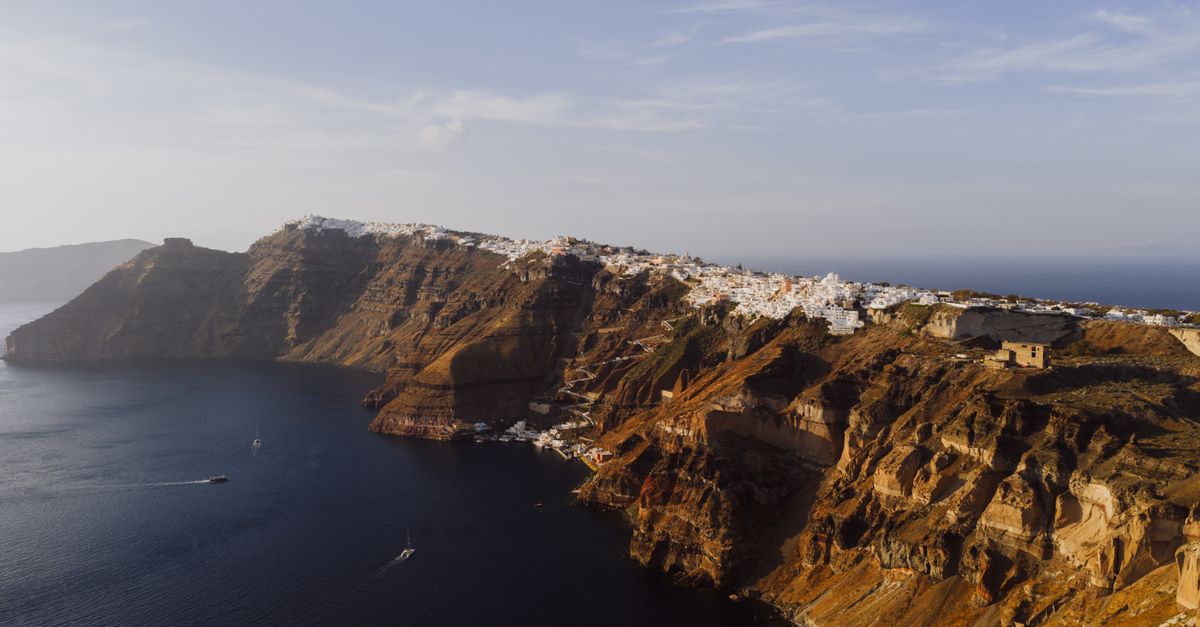
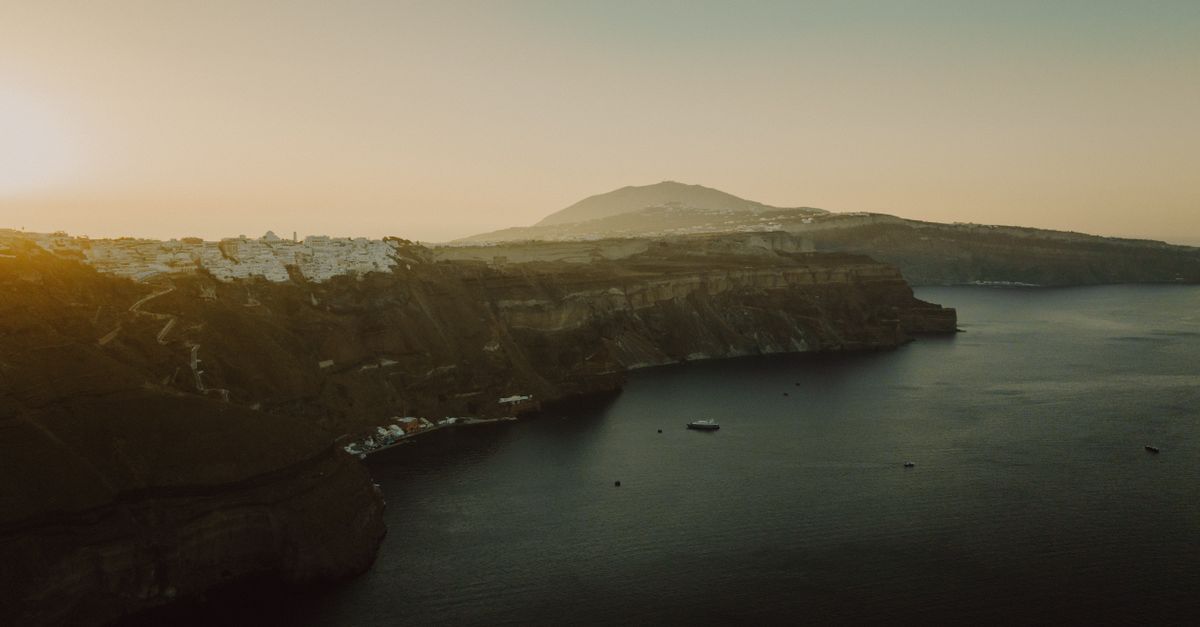
Three days is the minimum needed to experience Santorini's iconic caldera views, charming villages, and volcanic beaches without feeling rushed. This itinerary balances the island's famous sights—Oia's sunset, Fira's clifftop walks, and the volcanic crater—with authentic local experiences away from peak-hour crowds.
Day 1: Fira and the Caldera Rim
Start in Fira, Santorini's bustling capital, where your accommodation is likely located. The town clings dramatically to the caldera rim, offering unobstructed views of the volcanic crater, Thirassia island, and the small volcanic islets of Nea and Palea Kameni.
Spend your morning walking the caldera rim trail between Fira and Firostefani (about 20 minutes on foot). This paved path runs along the cliff edge with continuously stunning views; walk it early, around 8–9 a.m., before tour groups arrive. Stop at a traditional kafeneio for Greek coffee and loukoumi (Turkish delight).
For lunch, try a taverna in Fira's quieter backstreets rather than the main square, where prices inflate for views. Local favorites serve horta (boiled greens), fava (yellow split-pea dip), and fresh fish at reasonable rates.
In the afternoon, visit the Archaeological Museum of Fira to understand Santorini's Minoan past and volcanic history. The collection is modest but well-curated, and you'll avoid the afternoon heat inside.
End the day at Amoudi Bay, a small fishing harbor 300 steps down from Fira. Swim in crystal-clear water, eat grilled octopus at a harbourside taverna, and watch the sunset without the crowds that jam Oia. This spot is far quieter and equally beautiful.
Day 2: Oia and the North
Oia is Santorini's most photographed destination, famous for its whitewashed buildings, blue-domed churches, and sunsets. Arrive early—by 10 a.m.—to avoid the crush of afternoon tourists and enjoy the village's genuine charm before it becomes a selfie queue.
Wander Oia's narrow caldera-facing streets, exploring small art galleries, jewelry shops, and family-run tavernas. The village is compact enough to cover thoroughly in two hours if you move deliberately.
For lunch, head to a casual spot away from the main sunset-watching plaza. Local tavernas near the windmill serve fresh horta, grilled fish, and local Santorini wines (try Assyrtiko) at better value than sunset-view establishments.
Spend your afternoon on Amoudi Beach, Oia's pebble shore 300 steps down from the village. The water is calm and perfect for swimming; rent a sunbed or simply enjoy the quiet before the sunset crowd builds.
For sunset, position yourself on Oia's northern cliffs or the main western-facing platform around 6–7 p.m. (sunset times vary seasonally; check locally). The spectacle is genuine—the sky genuinely turns orange and pink—but be prepared for shoulder-to-shoulder crowds and phone cameras everywhere. If you prefer solitude, skip the famous spots and watch from a quieter corner of the village or from Amoudi Beach below.
After sunset, eat dinner in Oia while other tourists queue at restaurants. Local families dine late in Greece; a 9 p.m. dinner reservation will be quieter than 7 p.m.
Day 3: Volcanic Islands and Red Beach
On your final day, experience Santorini's geological drama with a caldera boat tour. These excursions depart from Fira's port (a short cable car or donkey ride down from the clifftop) or from nearby Kamari Beach on the eastern coast. Tours typically last 4–5 hours and visit three stops: Nea Kameni (the active volcanic island), Palea Kameni (for natural hot springs), and Amoudi or Red Beach for swimming.
A morning departure (usually 8–9 a.m.) is preferable; you'll avoid the afternoon heat and the 2–3 p.m. rush of cruise-ship day-trippers. The boat ride itself offers stunning views of the caldera walls, and swimming in the crater's warm volcanic-heated waters is memorable.
After the boat tour, explore Red Beach (Kokkini Paralia) or Perissa Beach on Santorini's eastern coast. Red Beach's dramatic rust-colored cliffs and dark sand are striking, though it's only accessible by boat or a steep cliff path. Perissa is larger, easier to reach by public bus or car, and equally photogenic with its black volcanic sand and tavernas.
Spend your final afternoon swimming and relaxing. If you have energy, visit the nearby ancient city of Akrotiri (if visiting the south), where Minoan ruins sit beneath a protective modern structure. Destroyed by the same volcanic eruption that created the caldera 3,600 years ago, Akrotiri offers glimpses of ancient island life preserved in ash.
For your last dinner, choose a taverna away from Oia or Fira's tourist centers. Villages like Pyrgos or Megalochori (in the island's interior) offer authentic local cooking, lower prices, and views of neighboring islands from hillside terraces without the tourist markup.
Practical Tips for Your 3 Days
Getting Around: Rent a car or scooter for flexibility, though traffic in Fira is chaotic during peak season. Public buses are cheap and reliable but infrequent outside summer. Taxis and transfer services are convenient but pricey for multiple trips.
Accommodation: Stay in Fira or Kamari for access to all parts of the island. Oia is beautiful but expensive and far from the eastern beaches. Book ahead, especially for June–September.
Crowds: Visit major sites early (before 10 a.m.) or late (after 5 p.m.) to avoid cruise passengers. April–May and September–October offer perfect weather and fewer tourists than July–August.
Budget: Three days mid-range costs €150–250/day including a modest room, local meals, and activities. Budget travelers can reduce this; luxury travelers will spend significantly more. For detailed costs, see our guide on Santorini on a budget.
Swimming: The water is warm May–October. Bring reef-safe sunscreen and don't underestimate the Greek sun; apply sunscreen frequently.
Yes, three days covers Santorini's main highlights—the caldera, Oia's sunset, volcanic islands, and beaches. However, if you're interested in hiking, wine tasting, or visiting fewer sites at a relaxed pace, four to five days is ideal.
What's the best time to visit Santorini in 3 days?
April–May and September–October offer warm weather, calm seas for boat tours, and far fewer tourists than July–August. For a month-by-month breakdown, see our guide on the best time to visit Santorini.
Do I need a car in Santorini for 3 days?
A car is convenient but not essential. Public buses connect major towns cheaply and reliably; taxis and private transfers work if you're willing to pay more. A car helps if you want flexibility to visit Akrotiri, Red Beach, or quieter villages on your own schedule.
Can I see Oia's sunset without massive crowds?
Not entirely—Oia's sunset attracts thousands daily. Arrive by early afternoon to claim a spot, or skip the famous viewing platforms and watch from a quieter corner of the village, a taverna terrace, or Amoudi Beach below.